 how-to
Why Vehicle Wraps Peel: Causes and Prevention
Table of Contents
- Common Causes of Vehicle Wrap Peeling
- How to Prevent Vinyl Wrap from Peeling
- Edge Lift, Seams, and Recessed Areas: Where Peeling Starts First
- Environmental Factors: Heat, UV Rays, and Road Salt
- Fixes for Common Vehicle Wrap Damage
- Vehicle Wrap Lifespan and Best Protectant for Vinyl Wrap
- Warranty and Installer Accountability
- Frequently Asked Questions
Last Updated: October 5, 2026
Common Causes of Vehicle Wrap Peeling
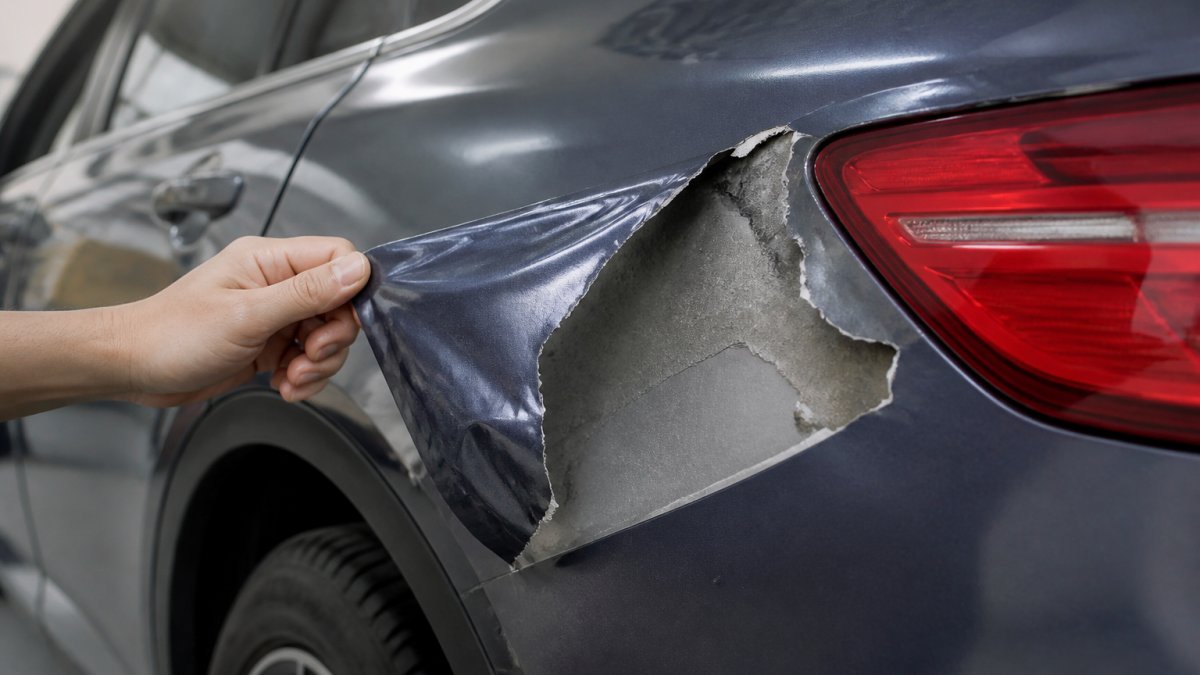
Vehicle wraps peel for specific reasons, and understanding why vehicle wraps peel helps you prevent it. Understanding why wraps fail helps you prevent it. Most peeling happens because of poor preparation, low-quality film, or bad installation.
Poor Surface Preparation Before Installation
The surface matters more than most people think. A dirty or damaged surface is the leading cause of adhesion failure. Paint must be clean, smooth, and free of contaminants before any wrap goes on.
Common surface problems include:
- Dirt, dust, and road grime that block adhesive contact
- Wax or sealant coatings that prevent bonding
- Oxidized or chalky paint that flakes away
- Dents, rust, or rough spots that create air pockets
- Previous wrap residue or adhesive left behind
The fix is simple: professionals clean the surface with a pH-neutral cleaner and light abrasion. This removes everything blocking adhesion. A properly prepared surface can hold a wrap for years. A dirty surface will fail within months.
Installation Quality and Professional Application
How the wrap gets applied matters as much as what goes on the vehicle. Poor installation creates stress points where peeling starts.
Common installation mistakes include:
- Stretching vinyl too hard during application, which causes shrinkage later
- Improper heat application that weakens adhesive or causes bubbles
- Rushing the process without allowing proper curing time
- Forcing vinyl around corners instead of using proper techniques
- Not sealing edges and seams correctly
Professional installers know the right tension, temperature, and timing. They also understand that different areas of a vehicle need different approaches. Corners, recessed areas, and seams require extra care. Amateurs often skip these details.
Vinyl Film Quality and Material Selection
Not all vinyl is the same. Cheap film fails faster than quality material.
Quality matters in two ways:
Calendared film is more durable than cast vinyl. It's made by pressing material through rollers, which creates a stable, predictable product. Cast vinyl is poured and cooled, which makes it thinner and more prone to shrinkage.
Adhesive strength varies by brand. Premium vinyl uses stronger adhesive that bonds better to paint. Budget vinyl uses weaker adhesive that fails under heat or UV exposure.
The cheapest wrap might cost 30% less upfront. It will also peel faster, requiring replacement sooner. Quality film costs more but lasts longer, making it cheaper over time.
How to Prevent Vinyl Wrap from Peeling
Prevention is easier than repair. These steps protect your wrap from day one.
Step 1: Ensure Proper Surface Preparation
Start here. Everything else depends on this foundation.
Clean the surface thoroughly:
- Wash the entire vehicle with pH-neutral soap and water
- Dry completely with a soft cloth
- Use isopropyl alcohol to remove any remaining residue
- Let the surface dry for at least 30 minutes
- Check for any remaining dirt or dust before proceeding
Address paint condition:
- Inspect the paint for damage, rust, or oxidation
- Sand rough spots lightly with fine-grit sandpaper
- Fill any dents or gouges before wrapping
- Prime bare metal or repaired areas
- Allow primer to cure fully before wrapping
A clean, smooth surface is non-negotiable. Skip this step and peeling is almost guaranteed.
Step 2: Avoid Overstretching During Installation
Vinyl shrinks over time. Stretching it too much during installation makes shrinkage worse.
Professional installers use light to moderate tension. They let the vinyl conform naturally to the vehicle's shape instead of forcing it. This reduces stress on the adhesive and prevents edge lift.
The right approach:
- Apply vinyl with minimal tension
- Use heat to help vinyl conform naturally
- Let the material relax between sections
- Never force vinyl around sharp corners
- Use proper techniques for edges and seams
Overstretched vinyl will peel within the first year. Properly applied vinyl can last 5+ years.
Step 3: Allow Adequate Curing Time
Adhesive needs time to bond fully. Rushing this process causes peeling.
Most vinyl needs 24 hours before the vehicle gets wet. Some premium films need up to 72 hours. The adhesive continues bonding for weeks after installation.
Proper curing means:
- Keep the vehicle dry for at least 24-48 hours
- Avoid washing for at least one week
- Don't park in direct sun during the first week
- Keep the vehicle in a garage or covered area if possible
- Wait before applying protective coatings
Rushing this phase is a common mistake. The wrap might look perfect immediately, but adhesion isn't complete. Peeling often starts weeks later.
Edge Lift, Seams, and Recessed Areas: Where Peeling Starts First
Edges and seams fail first because they're under constant stress. These areas are the weakest points on any wrap.
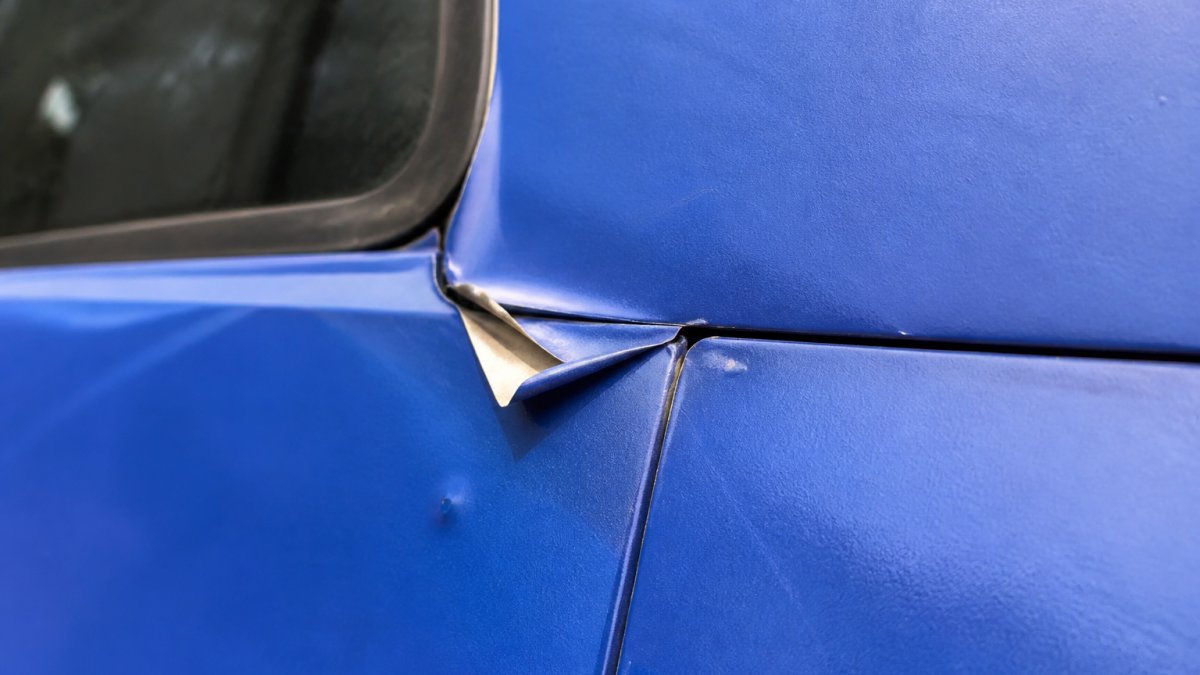
Edges are exposed to air, moisture, and temperature changes. They peel when adhesive breaks down or vinyl shrinks.
Seams are where two pieces of vinyl meet. They're vulnerable because the adhesive bond is only as strong as the edge. Poor sealing here causes failure quickly.
Recessed areas like door handles, trim lines, and panel gaps trap moisture. Water gets under the vinyl and breaks the adhesive bond from underneath.
Prevention focuses on these areas:
- Seal all edges properly with heat and adhesive
- Overlap seams correctly to prevent water infiltration
- Avoid wrapping into deep recesses when possible
- Use edge sealant products for extra protection
- Check these areas regularly for early signs of lifting
If an edge starts lifting, address it immediately. A small problem becomes a big one fast.
Environmental Factors: Heat, UV Rays, and Road Salt
The environment attacks vinyl constantly. Heat, sun, and salt accelerate peeling.
UV rays fade vinyl and weaken adhesive. Sun exposure is the single biggest factor in wrap lifespan. Vehicles parked in shade last 2-3 years longer than those in the sun.
Heat causes vinyl to expand and contract. Constant expansion and contraction stress the adhesive bond. High temperatures also speed up adhesive breakdown.
Road salt and environmental contaminants corrode adhesive. Salt air near coastal areas is especially damaging. Road salt from winter conditions also accelerates failure.
Moisture gets under vinyl and breaks adhesion from inside. Rain, humidity, and morning dew all contribute to peeling.
Protection strategies:
- Park in covered areas or garages when possible
- Use UV-protective coatings on wraps
- Wash regularly to remove salt and contaminants
- Avoid high-pressure washers that force water under edges
- Choose covered parking over outdoor parking
The best protection is shade. A vehicle parked in a garage or under a carport will have a wrap that lasts significantly longer than one exposed to constant sun.
Fixes for Common Vehicle Wrap Damage
Small problems become big ones if ignored. Catch issues early and fix them before they spread.
Addressing Small Lifted Edges
A lifted edge doesn't mean the whole wrap is ruined. Small lifts can be fixed if caught early.
What you'll need:
- Heat gun or hair dryer
- Adhesive roller or squeegee
- Vinyl adhesive (for severe cases)
- Clean cloth
Steps to fix a small lifted edge:
-
Inspect the lift. Gently pull the edge to see how much is separated. If more than 2-3 inches is lifted, professional repair is better.
-
Clean underneath. Slide a clean cloth under the lifted edge to remove any dirt or moisture.
-
Apply heat. Use a heat gun on low setting to warm the vinyl and adhesive. Keep the gun moving to avoid overheating. Heat for 30-60 seconds.
-
Press down firmly. While the vinyl is warm, press the edge down hard with a roller or squeegee. Use steady pressure for 1-2 minutes.
-
Cool and check. Let the area cool completely. Press on it again to confirm the bond is strong.
If the edge lifts again within a week, professional repair is needed. The adhesive may have failed completely.
When to Repair vs. Replace
Not all damage can be fixed. Sometimes replacement is the only option.
Repair if:
- Only edges or seams are lifting
- Damage is in one small area
- The wrap is less than 3 years old
- The rest of the wrap is in good condition
Replace if:
- More than 25% of the wrap is peeling
- Multiple areas are lifting simultaneously
- The wrap is already 5+ years old
- Adhesive failure is widespread
- The wrap has multiple large tears or cracks
A professional can assess the damage and recommend the best option. Small repairs might cost a few hundred dollars. Full replacement costs more but gives you a fresh wrap with full lifespan ahead.
Vehicle Wrap Lifespan and Best Protectant for Vinyl Wrap
Understanding how long wraps last helps you plan for replacement and maintenance.
Expected Lifespan and Durability
Quality wraps typically last 5-7 years. Budget wraps last 2-3 years. The difference comes down to film quality, installation, and care.
Factors that extend lifespan:
- Covered parking (adds 2-3 years)
- Regular gentle washing (removes contaminants)
- UV-protective coatings (slows fading and adhesive breakdown)
- Avoiding high-pressure washers
- Prompt repair of small damage
Factors that shorten lifespan:
- Constant sun exposure
- Coastal or salt-air environments
- Harsh washing methods
- Neglected maintenance
- Poor installation quality
A wrap in ideal conditions might last 10 years. A wrap in harsh conditions might fail in 2 years. Most wraps fail because of poor care, not poor quality.
Protective Maintenance and Washing Guidelines
How you care for a wrap determines how long it lasts.
Washing a vinyl wrap:
- Wait at least one week after installation before washing
- Use pH-neutral soap and lukewarm water
- Wash by hand with a soft cloth or sponge
- Avoid high-pressure washers entirely
- Never use abrasive scrubbers or brushes
- Dry with a soft microfiber cloth
- Wash every 2-4 weeks to remove contaminants
Protective coatings:
- Apply UV-protective coating 2-4 weeks after installation
- Reapply every 6-12 months for maximum protection
- Use coatings designed specifically for vinyl wraps
- Avoid wax or sealants not approved for vinyl
Parking:
- Park in covered areas whenever possible
- Use a garage or carport for long-term storage
- Avoid direct sun exposure during extreme heat
- Keep the vehicle away from salt air when possible
Regular gentle care keeps wraps looking good for years. Neglect causes early failure.
Warranty and Installer Accountability
Quality installers stand behind their work. Understanding warranty terms protects your investment.
When choosing an installer, ask about:
- What the warranty covers specifically
- How long the warranty lasts
- What voids the warranty
- How repairs are handled
- Whether labor is included
A professional installer like GBCJ Los Angeles backs their work because proper installation prevents peeling.
Vehicle wrap peeling is preventable. Most failures come from poor surface preparation, low-quality film, or bad installation. The right installer, quality materials, and proper care add years to your wrap's lifespan. GBCJ Los Angeles has over 15 years of experience with vehicle graphics. We use quality film, professional installation techniques, and proper surface preparation to ensure your wrap lasts. Contact us for a consultation and learn how we can create a durable wrap for your fleet or vehicle.
Frequently Asked Questions
What causes a vehicle wrap to peel?
Vehicle wraps peel due to poor surface preparation, low-quality vinyl film, overstretching during installation, and environmental exposure. Inadequate curing time, UV rays, road salt, and improper washing also accelerate adhesion failure. Professional installation and proper maintenance significantly reduce peeling risk and extend wrap lifespan.
How can I prevent my vinyl wrap from peeling?
Prevent peeling by ensuring thorough surface cleaning and preparation, using high-quality calendared or cast vinyl film, allowing proper curing time before exposure, and avoiding overstretching during installation. Maintain your wrap with pH-neutral soap and soft cloths, park in shade when possible, and hand wash instead of using high-pressure sprays to protect adhesion.
What is the best protectant for vinyl wrap?
The best protection for vinyl wrap involves regular gentle cleaning with pH-neutral soap and a soft cloth, covered parking or shade to minimize UV exposure, and avoiding high-pressure water sprays. UV-protective coatings designed for vinyl wraps can provide additional defense. Most importantly, proper installation and adequate curing time establish the foundation for long-term durability.
When should a peeling vehicle wrap be repaired or replaced?
Small lifted edges can be resealed with heat or professional adhesive repair if caught early. If peeling covers more than 10-15% of the wrap, affects multiple areas, or has progressed into the film itself, replacement is typically more cost-effective than repair. A professional installer can assess the damage.