 how-to
Why Vehicle Wraps Peel and Fade (2026 Guide)
Table of Contents
- Why Vehicle Wraps Fail: The Real Culprits Behind Peeling and Fading
- The Science of Fading: How UV Rays and Heat Break Down Vinyl Film
- Signs of Poor Quality Vinyl Installation You Shouldn't Ignore
- How Long Do Vinyl Car Wraps Last? A Realistic Timeline
- Environmental Factors That Accelerate Wrap Degradation
- Vehicle Wrap Maintenance Tips to Prevent Premature Failure
- Conclusion: Protect Your Investment with Smart Care
- Frequently Asked Questions
Last Updated: September 6, 2026
Why Vehicle Wraps Fail: The Real Culprits Behind Peeling and Fading
A vehicle wrap is a significant investment in your brand's visibility, so watching it deteriorate after just a year is frustrating. The reasons why vehicle wraps peel and fade come down to three primary forces: environmental exposure, installation quality, and ongoing maintenance. Understanding these failure points before you commit to a wrap is the difference between a three-year asset and an eighteen-month disappointment.
At GBCJ Los Angeles, we've spent over 15 years installing vehicle graphics, and we've seen various failure modes. This guide breaks down the technical reasons wraps degrade, the environmental factors that accelerate the process, and the maintenance protocol that keeps your fleet looking sharp. We'll also discuss what separates a quality installation from one that may fail prematurely.
The hard truth is that vehicle wraps are not permanent. They are engineered to be sacrificial layers that protect your paint while carrying your message. The goal is maximizing that lifespan through smart material selection and disciplined care.
The Science of Fading: How UV Rays and Heat Break Down Vinyl Film
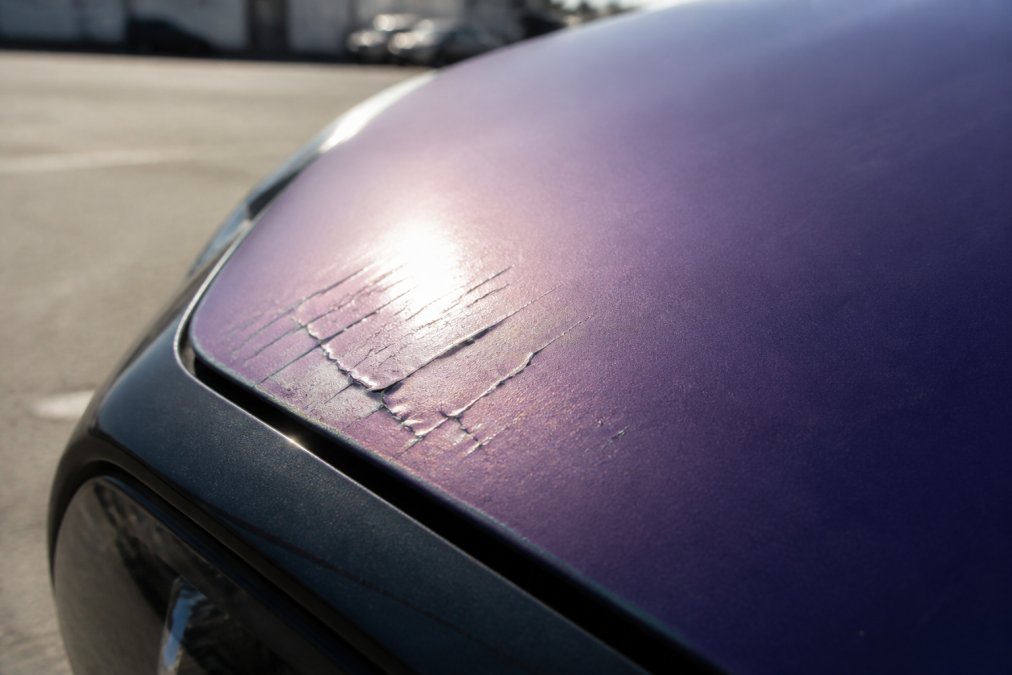
UV radiation is the primary enemy of vinyl film color fastness. When ultraviolet rays strike the wrap, they trigger pigment breakdown at the molecular level, causing colors to shift, dull, and eventually fade into a washed-out version of their original shade. This process is unavoidable, but its speed depends heavily on the quality of the vinyl and the pigments used.
Heat compounds the problem through thermal expansion. A dark-colored wrap on a parked vehicle can reach surface temperatures that cause the vinyl to expand and contract repeatedly (energy.gov). Over time, this thermal stress fatigues the material, leading to micro-cracks that allow moisture and environmental pollutants to penetrate the adhesive bond.
The science explains why two wraps installed the same day can look completely different after two years. One parked in a shaded garage will retain its gloss, while a twin parked in direct sun will show oxidation and color fastness loss. According to 3M's vinyl film durability documentation, the quality of the vinyl film and its laminate layers directly determines how well it resists UV degradation.
Signs of Poor Quality Vinyl Installation You Shouldn't Ignore
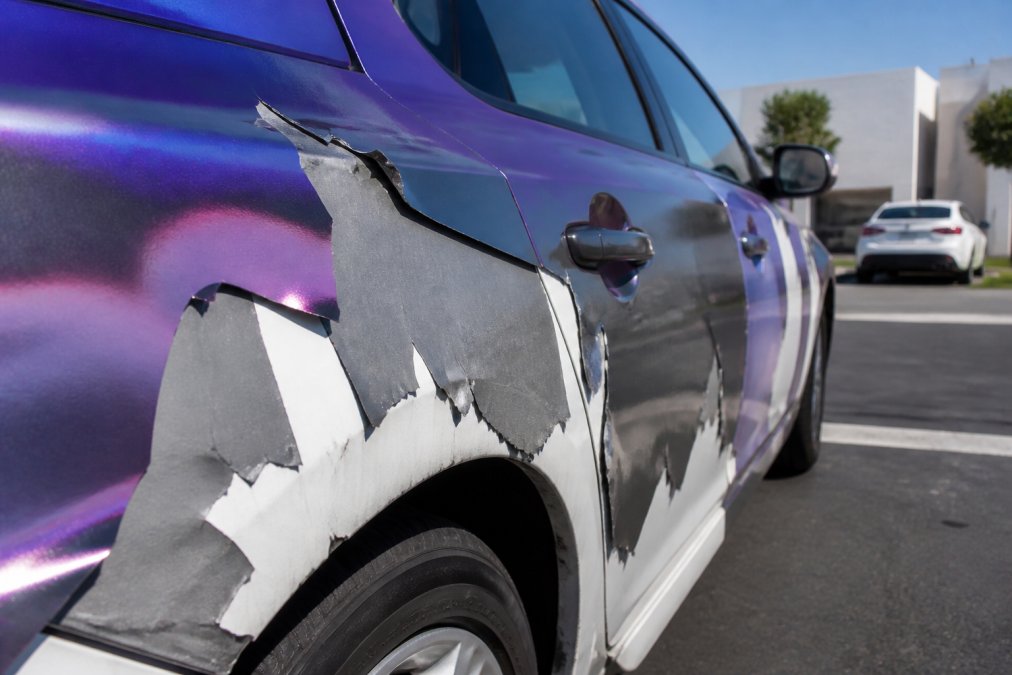
Poor installation quality is the second leading cause of premature wrap failure, and it is entirely preventable. The most obvious signs of poor quality vinyl installation appear within the first few weeks, not years. Edge lifting along panel gaps, hood lines, and door handles signals that the installer skipped critical post-heating steps.
Surface preparation is the foundation of a durable wrap. A proper installation begins with a thorough wash, followed by degreasing with isopropyl alcohol to remove any paint contamination, wax, or silicone residue. If the installer skips this step, the adhesive bond is compromised from day one, and the wrap will fail regardless of material quality.
Watch for these red flags during installation:
- Visible bubbles or wrinkles that the installer claims will "settle out"
- Edges that are not tucked or wrapped around panel edges
- Fingerprints or dust trapped beneath the film surface
- A gloss vs matte finish that looks inconsistent across panels
A common mistake is assuming all installers follow the same process. Quality shops use heat guns to post-heat every edge and recessed area, activating the adhesive for a permanent bond. Skipping this step guarantees edge lifting within months.
The Critical Post-Installation Curing Window
What most guides miss is the post-installation curing period, the first 48 to 72 hours after the film is applied. During this window, the adhesive is still flowing and bonding to the substrate at a microscopic level. The vinyl is also releasing residual solvents from the manufacturing process and the installation itself.
If the vehicle is exposed to moisture, extreme temperature swings, or high-pressure washing during this curing window, the adhesive bond can be compromised before it ever fully sets. Water molecules are small enough to migrate under the film edge before the adhesive has cross-linked, creating a pathway for future peeling that may not appear for months.
A professional installer will advise you to keep the vehicle dry and parked in a climate-controlled environment for at least 48 hours after installation. If the wrap was applied in cooler weather, extend that window to 72 hours. The adhesive chemistry used in cast vinyl films is temperature-dependent; below 60°F, the bonding process slows considerably.
Why Post-Heating Matters More Than You Think
Post-heating is not just about shrinking the film around curves. When an installer applies heat after the film is in place, they are activating the pressure-sensitive adhesive to flow into the microscopic texture of the paint surface. This mechanical interlocking is what gives the edge its holding power.
Skipping post-heat on edges means the adhesive remains in a semi-set state, vulnerable to any lateral force. A car wash brush, a pressure washer, or even a strong gust of wind catching a loose edge can initiate a peel that travels across the entire panel. The telltale sign of missing post-heat is an edge that lifts cleanly with no adhesive residue left on the paint, the bond simply never formed.
The Adhesive Primer Question
Professional installers use a product called edge sealer or adhesion promoter on problem areas, door handles, mirror bases, and deep recesses. This primer chemically activates the adhesive and creates a stronger bond in areas where the film cannot be wrapped around a panel edge. If your installer does not mention edge sealing for these high-risk zones, ask why.
A quality installation often includes a final inspection under proper lighting, with the installer running a gloved hand along every edge to check for lifting. This inspection typically happens at delivery and again at the two-week mark, after the film has fully cured and any latent adhesion issues have surfaced.
How Long Do Vinyl Car Wraps Last? A Realistic Timeline
The realistic lifespan of a quality wrap is five to seven years for a standard color change, though this assumes premium cast vinyl, professional installation, and reasonable care. How long do vinyl car wraps last in practice? Most fleet operators plan for replacement at the five-year mark to maintain a professional appearance.
The timeline varies based on several factors:
- Vinyl quality: Cast vinyl outperforms calendared film by several years
- Color choice: Darker colors absorb more heat, accelerating degradation
- Climate: Intense sun and heat shorten lifespan
- Maintenance: Regular washing extends wrap longevity
Post-installation curing time is another factor most guides miss. Freshly applied vinyl needs time to fully bond to the substrate. Avoid washing the vehicle with pressure washers for at least a week after installation to prevent water from forcing its way under the edges before the adhesive has fully set.
Environmental Factors That Accelerate Wrap Degradation
Your local climate dictates how aggressively you must maintain your wrap. Geographic-specific wear patterns mean a vehicle in the desert Southwest faces different threats than one in the humid Southeast or a coastal city with salt air.
Environmental pollutants are relentless. Road salt, brake dust, bird droppings, tree sap, and industrial fallout all attack the vinyl surface. These contaminants can literally etch into the film if left sitting, causing permanent staining that no amount of washing will remove. Oxidation and delamination follow when the protective topcoat is compromised.
The chemical compatibility of your cleaning agents matters more than most owners realize. Harsh solvents, petroleum-based degreasers, and abrasive compounds can strip the protective laminate and accelerate vinyl degradation. Stick to pH-neutral soaps specifically formulated for vinyl wraps.
Corrosion is a particular threat near coastal areas where salt spray settles on every surface. The salt does not attack the vinyl directly, but it embeds in the edges and promotes adhesive failure at the perimeter. Frequent rinsing is the most effective defense in these environments.
Vehicle Wrap Maintenance Tips to Prevent Premature Failure
A structured maintenance schedule is the single most effective way to protect your investment. Treat your wrap like a high-end paint job, because that is essentially what it is. Vehicle wrap maintenance tips that matter most focus on regular cleaning and careful technique.
Follow this maintenance protocol to maximize wrap longevity:
- Hand wash every two weeks using a pH-neutral automotive soap and a microfiber mitt
- Rinse thoroughly before washing to remove loose grit that causes micro-scratches
- Dry with a clean microfiber towel to prevent water spots
- Address bird droppings and bug splatter within 48 hours
- Apply a spray sealant designed for vinyl every three months
- Avoid automatic car washes with stiff brushes and high-pressure sprayers
Pressure washing requires caution. If you must use one, keep the nozzle at least 12 inches from the surface and never direct the spray at the edges of the wrap. The water pressure can lift edges and force moisture beneath the film, causing the adhesive to fail.
DIY repairs are feasible for minor issues like small edge lifting, but they require the right tools and technique. A heat gun, a squeegee, and fresh adhesive primer can re-secure a lifted edge if caught early. Cracking, deep scratches, or fading, however, require professional replacement of the affected panel.
Conclusion: Protect Your Investment with Smart Care
The difference between a wrap that looks great for five years and one that fails in eighteen months comes down to material quality, installation expertise, and your commitment to maintenance. Understanding why vehicle wraps peel and fade is the first step toward avoiding these costly failures.
When you choose a provider, ask about the specific vinyl film they use, their surface preparation process, and whether they post-heat every edge. A reputable shop will welcome these questions. At GBCJ Los Angeles, our customer-centric approach means we listen closely to your unique needs, providing affordable and creative designs that reinforce your brand identity and maximize your visibility. With over 15 years of experience serving businesses, we aim to build wraps that stand out in a competitive market.
Frequently Asked Questions
What is the average lifespan of a car vinyl wrap?
A quality vinyl wrap typically lasts between 5 and 7 years when applied by a professional installer and maintained properly. However, how long do vinyl car wraps last depends heavily on your climate and care routine. Vehicles parked outdoors in intense sun will see their wraps degrade faster than those kept in a garage. The type of vinyl film used also matters; cast films generally outlast calendered films. Your installation professional should provide a specific lifespan estimate based on the materials selected and your local conditions.
What are the primary causes of premature vinyl wrap failure?
The primary causes of premature failure are improper surface preparation, poor installation technique, and prolonged exposure to harsh environmental conditions. If the paint isn't thoroughly cleaned and degreased before installation, the adhesive bond will be weak, leading to edge lifting and peeling. Skipping the post-heating step during installation is another common cause of failure. Environmental factors like constant UV rays, extreme heat, and exposure to environmental pollutants also break down the vinyl film and adhesive over time, accelerating both peeling and fading.
How can I fix peeling vinyl wrap?
Small areas of peeling can sometimes be repaired by a professional. They will clean the area with isopropyl alcohol, carefully reapply a new piece of vinyl, and use a heat gun to post-heat the patch for a proper seal. However, if the adhesive has lost its bond due to age or sun damage, a patch will not hold for long. Extensive peeling or widespread fading usually means the wrap has reached the end of its life and requires a full removal and replacement to maintain a professional appearance.
Does constant sun exposure cause vehicle wraps to fade?
Yes, constant sun exposure is the main cause of color fading. The UV rays in sunlight break down the pigments in the vinyl film, a process called pigment breakdown. Over time, this causes the color to become dull, chalky, or noticeably lighter, especially for darker shades like red or blue. While all wraps fade eventually, you can slow the process by parking in shaded areas or using a vehicle cover. Choosing a high-quality cast vinyl with UV-stable pigments also offers better color fastness from the start.
Your vehicle wrap is a rolling billboard that works for you every day. Protecting it requires the right partner and a commitment to proper care. Contact GBCJ Los Angeles today and get a wrap built to last, backed by a team that treats your brand like their own.