 comparison
Los Angeles Commercial Signage Services: 2026 Guide
Table of Contents
- What Commercial Signage Services Actually Cover
- Commercial Sign Permit Requirements You Need to Know
- Custom Retail Display Fabrication: Materials and Methods
- Channel Letter Sign Installation Cost: What Drives the Price
- Electrical Signs, Neon, and LED Retrofitting
- The ROI of Commercial Signage for Small Businesses
- How to Evaluate Commercial Signage Services Before You Commit
- Frequently Asked Questions
Last Updated: September 1, 2026
Commercial signage services cover the full cycle of designing, fabricating, permitting, installing, and maintaining signs that represent a business. The most common mistake business owners make is treating signage as a one-time purchase rather than a strategic investment in visibility. This guide breaks down everything you need to evaluate commercial signage services: from permit requirements and fabrication materials to cost drivers and ROI.
What Commercial Signage Services Actually Cover
Commercial signage services encompasses every phase of getting a sign from concept to installation.
Types of Commercial Signs: From Storefronts to Monuments
The most common commercial sign types include:
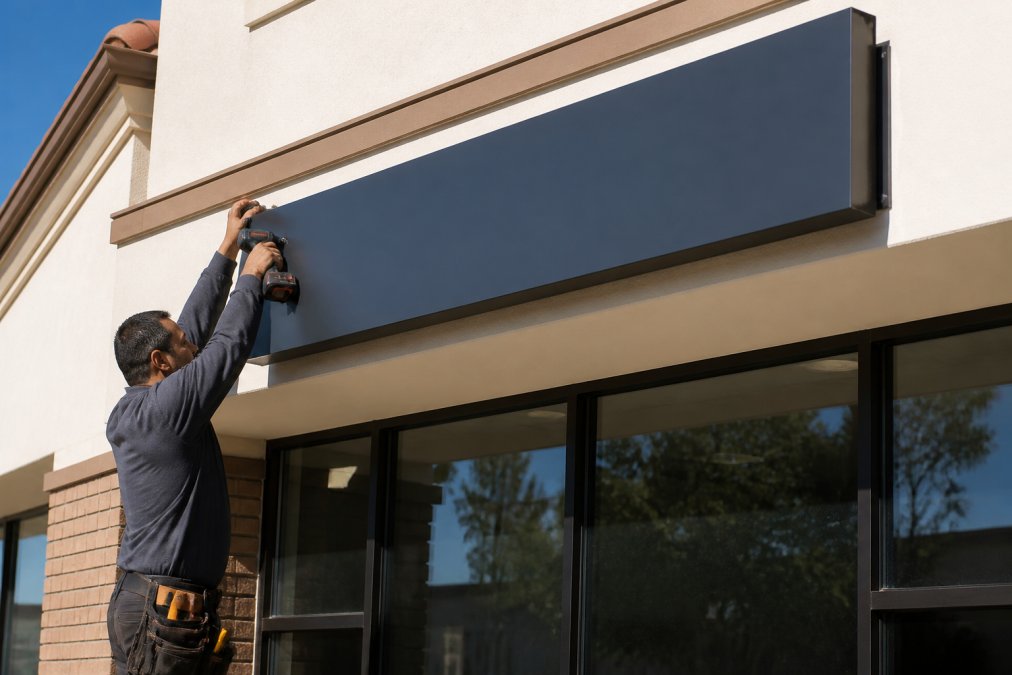
- Storefront signs: Channel letters, cabinet signs, and blade signs mounted on building facades, the primary brand touchpoint for walk-in traffic.
- Monument signs: Ground-mounted structures at property entrances, common for shopping centers and office parks.
- Pylon signs: Tall, freestanding structures visible from roadways, used by gas stations and strip malls.
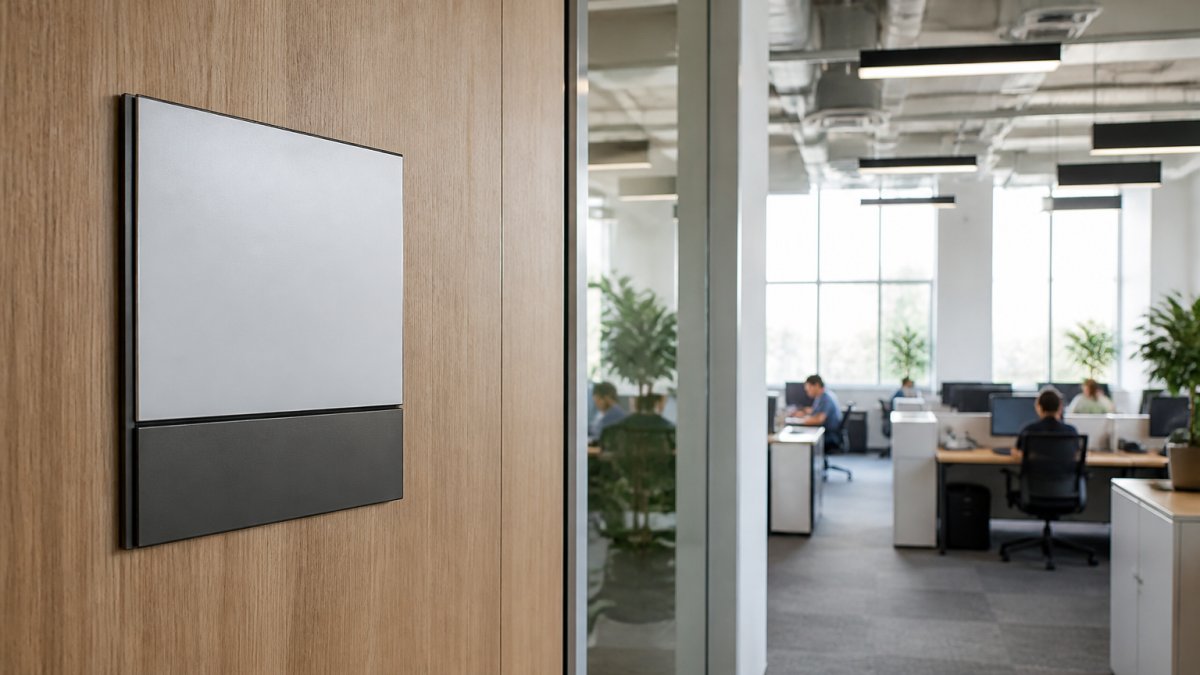
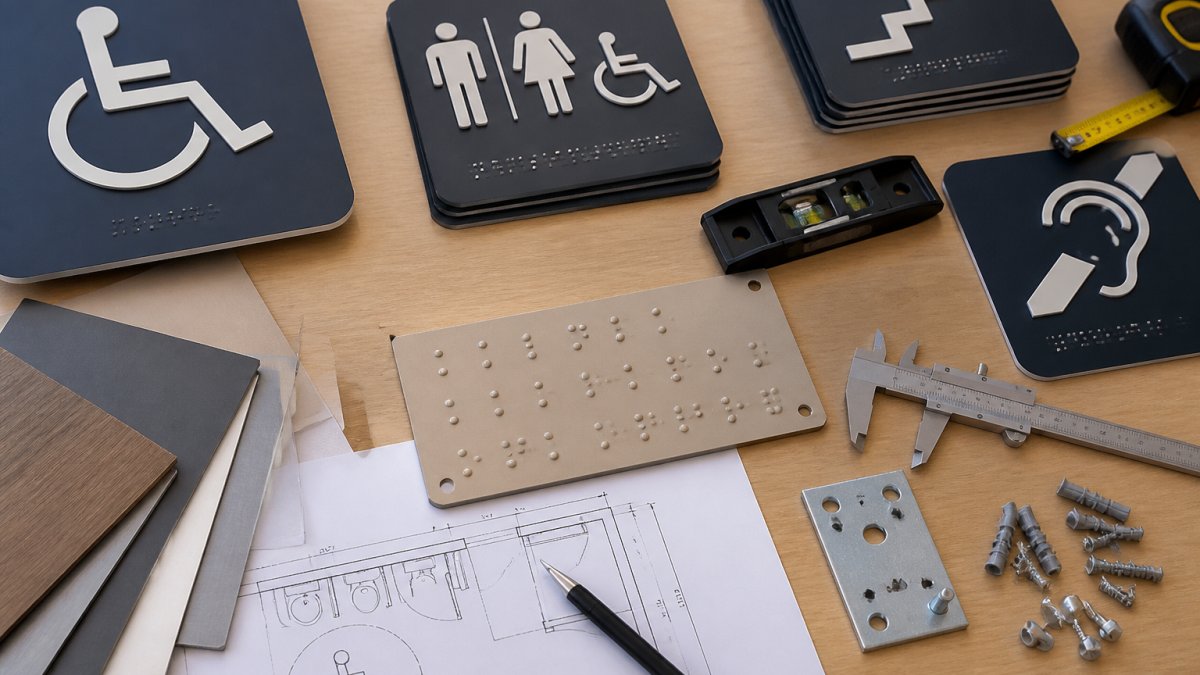
- Architectural signage: Interior wayfinding, lobby displays, and ADA-compliant directional signs.
- Vinyl graphics: Window graphics, floor decals, and wall wraps that extend branding without permanent installation.
Each type serves a different communication goal. A monument sign builds location authority; a storefront sign converts foot traffic; vinyl graphics reinforce brand identity at close range.
Signage Design, Branding, and Visual Communication
Design determines whether a signage project succeeds or fails before fabrication begins. Effective visual communication requires legibility at distance, material compatibility, and consistency with brand standards.
A professional design consultation covers typeface selection, color matching to brand guidelines, layout proportions, and illumination planning. A good fabrication partner translates brand direction into production-ready files and determines which materials are appropriate, directly affecting costs and durability.
Commercial Sign Permit Requirements You Need to Know
Permitting is the most underestimated part of commercial signage services. Skipping or mishandling permits can result in fines, forced removal, and project delays that miss lease deadlines.
Zoning Compliance and the LA Department of Building and Safety
The Los Angeles Department of Building and Safety sign permit guidelines governs most exterior signage installations within the city. Sign permits are required for illuminated signs, signs exceeding size thresholds, and any sign attached to a structure. Requirements vary by zoning district, a sign permitted in a C2 zone may not be permitted in a C1 or M1 zone.
Key compliance factors include:
- Sign area limits: Calculated relative to building frontage
- Height restrictions: Maximum sign height above grade, varying by sign type and zoning
- Setback requirements: Minimum distance from property lines
- Illumination standards: Restrictions on brightness and animation near residential zones
Property managers coordinating multi-tenant signage also need to account for Covenants, Conditions, and Restrictions (CC&Rs) that impose additional design standards.
How Long the Permitting Process Takes
Plan for three to six weeks for standard sign permits through the LA Department of Building and Safety. Complex projects or variance approvals take longer. Expedited plan check services compress the review window for an additional fee.
| Phase | Estimated Duration |
|---|---|
| Design and drawing preparation | 1-2 weeks |
| Plan check submission and review | 2-4 weeks (standard) |
| Permit issuance | 3-5 business days after approval |
| Inspection scheduling post-install | 1-2 weeks |
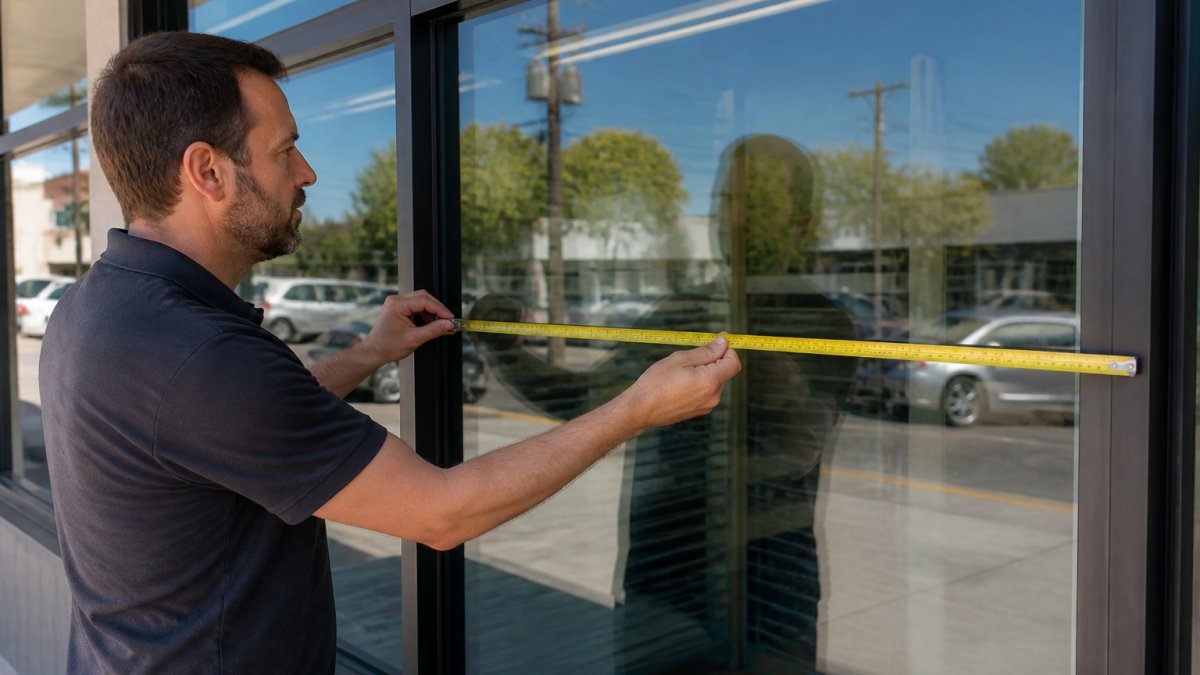
If you're opening in 30 days, the permit process needs to start before you sign the lease. A signage provider with permitting experience prepares required structural drawings, electrical calculations, and site plans to submit a complete application on the first pass, avoiding delays.
Custom Retail Display Fabrication: Materials and Methods
Custom retail display fabrication manufactures sign components to precise specifications using materials selected for durability, aesthetics, and installation environment.
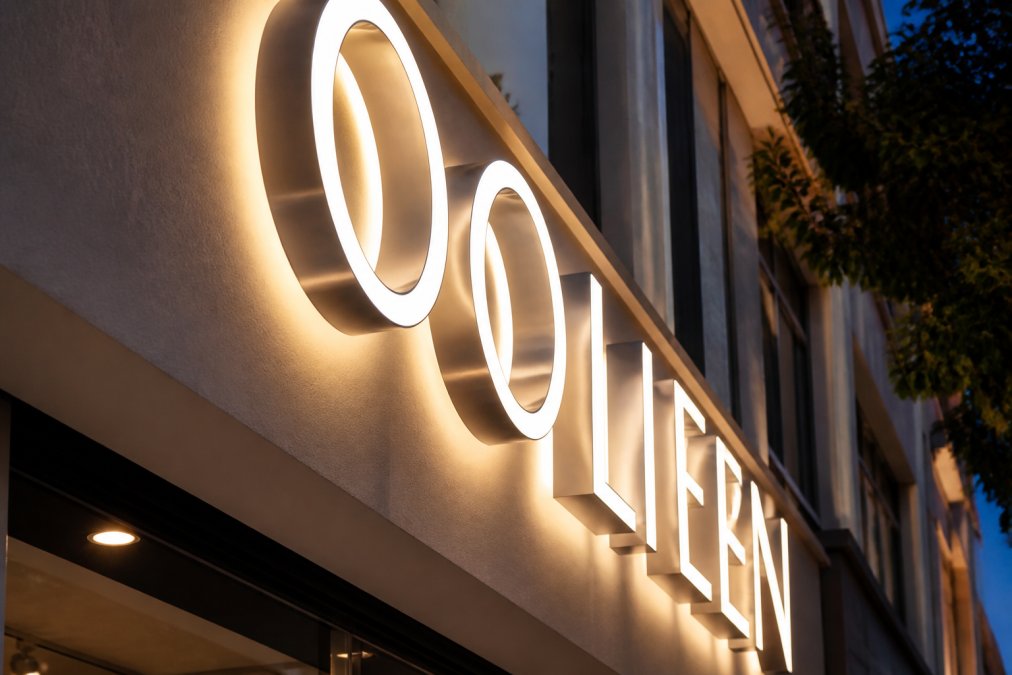
Acrylic, Dimensional Letters, and Architectural Signage
Common fabrication materials include:
- Acrylic: Used for sign faces, push-through letters, and backlit panels. Diffuses LED light evenly, dominating illuminated cabinet signs.
- Aluminum: The standard substrate for channel letter returns, cabinet frames, and monument panels. Powder-coated aluminum resists corrosion.
- HDU (High-Density Urethane): A foam-based material for dimensional letters and carved signs. Lighter than wood, more durable outdoors.
- Dibond and aluminum composite: Flat panel materials for flat-cut letters, directory boards, and architectural applications.
Dimensional letters are individual characters mounted directly to a wall, creating depth and shadow. They read as premium compared to flat printed signs and are common for office lobbies and retail facades.
Sustainable and Eco-Friendly Signage Options
Sustainable signage is increasingly important for businesses with environmental commitments or LEED-certified buildings. According to the U.S. Green Building Council's LEED materials guidance, material sourcing and energy consumption factor into green building certification.
Practical eco-friendly options include:
- LED illumination: Consumes significantly less energy than neon or fluorescent and has longer operational lifespan.
- Recycled substrates: Some fabricators offer aluminum composite panels with recycled content and water-based inks.
- Modular sign systems: Designed for component replacement rather than full disposal, reducing material waste.
Sustainable materials sometimes carry higher upfront costs, but long-term operational savings from LED energy consumption generally offset that premium over three to five years.
Channel Letter Sign Installation Cost: What Drives the Price
Channel letter sign installation cost varies widely based on factors most online estimates ignore.
Key variables affecting cost include:
- Letter count and size: More characters and larger dimensions mean more material and fabrication time.
- Illumination type: Front-lit, halo-lit, and combination-lit letters require different LED configurations.
- Mounting surface: Raceway-mounted signs are faster than direct-mount letters requiring individual facade penetrations.
- Electrical service availability: Missing dedicated circuits require additional electrical rough-in work.
- Installation height and access: Rooftop or high-facade installations require lifts or scaffolding.
Request itemized quotes separating fabrication, permitting, electrical, and installation labor. A bundled quote makes fair comparison impossible.
Electrical Signs, Neon, and LED Retrofitting
Electrical signs include channel letters, cabinet signs, backlit panels, and neon. Neon uses glass tubes filled with noble gases and remains popular where neon's aesthetic is part of brand identity.
LED retrofitting replaces the internal light source of existing signs with LED components, extending useful life without full replacement. The U.S. Department of Energy's guide to LED commercial lighting documents LED's energy performance advantages over legacy light sources.
LED components have longer mean time between failures than neon, which requires specialized glass-bending skills to repair. For businesses experiencing repeated neon failures, LED retrofitting eliminates recurring operational costs.
Electrical sign repair is a licensed electrical trade in California. Any provider performing electrical sign work must hold the appropriate contractor's license.
The ROI of Commercial Signage for Small Businesses
Signage functions as a 24-hour sales tool: it builds brand recognition through repetition, converts foot traffic, and communicates business character before customers enter.

Research from the Sign Research Foundation's signage effectiveness studies documents the relationship between on-premise signage quality and customer acquisition, finding that a significant share of customers discover a business for the first time through its sign.
The ROI case for quality signage rests on:
- Cost per impression: A well-fabricated exterior sign generates continuous impressions at a cost-per-impression no digital channel matches.
- Brand credibility: Professional fabrication signals operational stability and attention to detail.
- Incremental foot traffic: Improved visibility directly affects how many people notice and enter a location.
Signage ROI is difficult to isolate from other marketing variables, but businesses tracking new customer sources consistently find on-premise signage among top drivers for brick-and-mortar locations.
How to Evaluate Commercial Signage Services Before You Commit
The real differentiator among providers is how they handle complexity: tight timelines, difficult installations, landlord restrictions, and permit complications.
Questions to Ask About Project Management and Timelines
Before signing a contract, get clear answers to:
- Who manages the permit application, and have they pulled permits in this jurisdiction before?
- What is the fabrication lead time after permit approval, and is it in writing?
- Who is the single point of contact, and how are timeline changes communicated?
- What happens if the installation date is missed due to permit delays?
Providers who struggle to answer these questions directly signal project management structures that create problems during execution.
Fabrication Quality, Warranties, and Installation Standards
Quality fabrication becomes visible six months after installation. Ask specifically:
- What grade of acrylic is used for sign faces, and what is the expected lifespan?
- What warranty covers fabrication defects versus installation failures?
- Are installations performed by in-house crews or subcontracted labor?
The warranty question matters significantly. A fabrication warranty excluding installation defects can leave you holding repair costs.
| Evaluation Criterion | What to Ask | Red Flag |
|---|---|---|
| Permitting experience | Have you pulled permits in this city/zone before? | Vague or evasive answer |
| Fabrication materials | What grade acrylic and aluminum do you use? | No specific answer |
| Warranty coverage | What's covered and for how long? | Verbal-only, no written warranty |
| Project management | Who is my single point of contact? | "The team" handles it |
| Installation crew | In-house or subcontracted? | No clear answer |
| Timeline | Written fabrication and install schedule? | Estimate only, no commitment |
Businesses that ask detailed questions upfront have smoother projects and stronger outcomes.
Choosing the right commercial signage services provider requires more than comparing price quotes. It requires a partner who manages permitting, fabricates to durable standards, and treats your project timeline as a real commitment. GBCJ Los Angeles brings over 15 years of hands-on experience in custom signage fabrication, storefront signs, vehicle graphics, and visual communication solutions. Contact GBCJ Los Angeles to request a detailed estimate and get your signage project moving on a timeline that works.
Frequently Asked Questions
What permits are required for commercial signage in Los Angeles?
Most permanent commercial signs in Los Angeles require a sign permit from the LA Department of Building and Safety (LADBS). The permit process involves submitting design drawings, confirming zoning compliance under the LA Municipal Code, and in some cases getting landlord or property manager approval. Electrical signs also require a separate electrical permit. A full-service signage provider can handle the permit application on your behalf, which is especially important if you are working against a lease or opening deadline.
How long does it take to fabricate and install a storefront sign?
Fabrication and installation timelines vary based on sign type and complexity. Simple vinyl graphics or flat-panel signs can be ready in a few days. Custom channel letters, monument signs, or illuminated cabinet signs typically take two to four weeks to fabricate after designs are approved. Add permit review time on top of that, LADBS processing can take one to three weeks depending on the sign category and current workload. Planning at least six weeks ahead of an opening date is a reasonable buffer for most commercial signage projects.
What is the difference between channel letters and cabinet signs?
Channel letters are individually fabricated three-dimensional letters, usually made from aluminum and acrylic, mounted directly to a wall or raceway. Each letter is its own unit, which creates a clean, architectural look common on retail storefronts. Cabinet signs (also called box signs) house all the lettering and graphics inside a single illuminated enclosure. Cabinet signs are faster and often less expensive to produce, while channel letters tend to look more premium and are preferred by landlords in upscale commercial properties.
Do signage companies handle the full installation and permitting process?
Full-service commercial signage providers handle design, fabrication, permitting, and installation as a single project. This matters most when you are working against a deadline, a provider who manages permitting in-house knows how to prepare drawings that meet LADBS requirements on the first submission, avoiding costly resubmission delays. Always confirm before signing a contract whether permitting is included or billed separately, and ask who is responsible if a permit is rejected or requires revisions.
How much does a channel letter sign installation cost?
Channel letter sign installation cost depends on letter size, quantity, illumination type (LED vs. non-illuminated), mounting method, and site conditions such as building height or wall material. Pricing also reflects whether electrical work is needed and whether permits are included. Because these variables shift the total significantly, most reputable providers offer free estimates based on your specific location, sign dimensions, and design. Contact a local fabrication shop directly for an accurate quote rather than relying on generic price ranges.