 how-to
How to Get Storefront Signage Permits in Los Angeles
Table of Contents
- Do You Need a Permit for Your Storefront Sign?
- Step-by-Step: The LADBS Storefront Sign Permit Process
- Understanding the Average Cost of Sign Permits
- Common Reasons for Sign Permit Denial and How to Avoid Them
- The Post-Approval Inspection Process
- Digital vs. Static Signs: What Changes for Permits?
- Hiring a Professional Sign Permit Expediter
- Get Your Signage Project Started
- Frequently Asked Questions
Last Updated: September 7, 2026
Opening a new storefront in Los Angeles is an exciting milestone, but the signage permit process through the Los Angeles Department of Building and Safety (LADBS) often catches business owners off guard with its complexity. Getting storefront signage permits in Los Angeles requires navigating zoning codes, submitting detailed architectural drawings, and passing plan checks before you can legally hang your sign. This guide from GBCJ Los Angeles walks through the entire process so you can avoid costly delays and compliance headaches.
The reality is that most sign permit applications get delayed not because of the sign itself, but because of missing paperwork or zoning misunderstandings. Many business owners assume a sign company handles all the permitting, only to discover that responsibility falls on the property owner or tenant. Below, we'll show you exactly how to prepare, submit, and track your application, plus what happens after approval when the inspector shows up.
Do You Need a Permit for Your Storefront Sign?
Most commercial signs in Los Angeles require a permit before installation. The municipal code treats signage as a structural and electrical modification to your building, which means the city wants to verify safety and zoning compliance before work begins.
You generally need a permit for wall signs, monument signs, projecting signs, blade signs, and any illuminated signage. Even a simple replacement of an existing sign typically requires a new permit because the structural mounting and electrical connections must be inspected. Temporary banners and window graphics sometimes fall into different categories, but the rules vary by zone and district.
The key distinction comes down to whether your sign is permanent and attached to the structure. LADBS official permit information clarifies which sign types fall under building permit requirements versus those that qualify for over-the-counter approvals.
Step-by-Step: The LADBS Storefront Sign Permit Process
The application process follows a structured sequence that typically takes several weeks from start to finish. Understanding each phase before you begin saves you from the back-and-forth revisions that stall most applications.

Step 1: Verify Your Zoning and Sign Ordinance
Your first task is confirming that your proposed sign complies with the zoning code for your specific property. Los Angeles divides the city into zones, each with its own rules about sign size, height, illumination, and placement.
Check your property's zoning designation and review the applicable sign ordinance before investing in design work. Properties in special overlay districts or historic preservation areas face additional restrictions that standard commercial zones don't. A sign that works perfectly in a standard commercial zone might be prohibited entirely in a neighborhood commercial district.
You also need written authorization from the property owner if you are a tenant. LADBS requires proof that the person applying for the permit has the legal right to modify the building.
Step 2: Prepare Your Permit Application Documents
Gather your documentation before you start the online submission. Incomplete applications are the single most common reason for permit delays.
Your application package typically includes:
- Completed permit application form
- Site plan showing the sign's location on the building
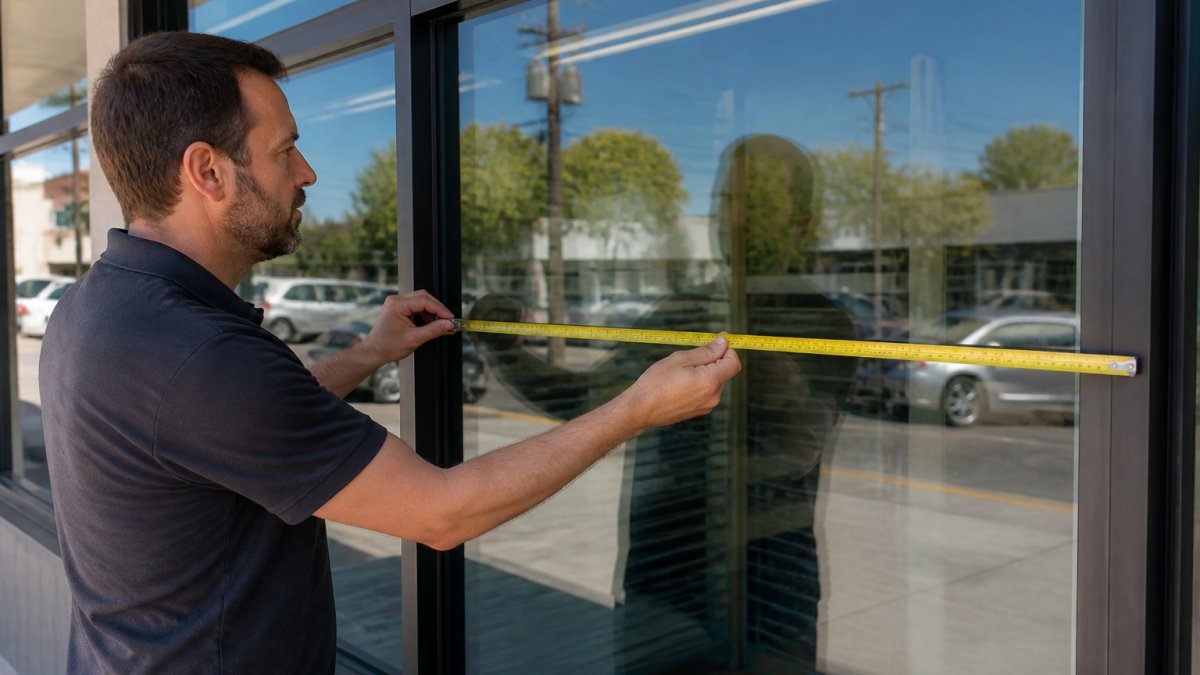
- Elevation drawings with sign dimensions and mounting details
- Structural calculations from a licensed engineer
- Electrical details for illuminated signs
- Property owner authorization letter
The drawings must be clear and to scale. LADBS plan checkers reject sloppy or incomplete submissions quickly, so having professional-grade documentation matters. LADBS ePlan submission guidelines outlines the specific file formats and drawing standards the department expects.
Step 3: Submit Your Application via the ePlan Portal
LADBS now processes sign permits through its ePlan system, which allows you to submit documents electronically and track your application status online.
Create an account on the ePlan portal, select the appropriate permit type, and upload all your documents. The system assigns your application a case number, which you'll use to track progress and respond to plan check comments.
Step 4: Pass Plan Check and Receive Approval
Once submitted, your application goes through plan check, where LADBS reviewers examine your drawings for building code compliance, zoning adherence, and structural integrity.
The reviewer may approve your application outright, request revisions, or reject it with specific comments. Most applications require at least one round of revisions, so budget time for this back-and-forth. After approval, you pay the permit fees and receive your permit, which authorizes installation to begin.
Understanding the Average Cost of Sign Permits
The cost of a storefront sign permit varies significantly based on the sign's value, type, and complexity. LADBS calculates fees as a combination of plan check fees, permit issuance fees, and sometimes electrical permit fees for illuminated signs.
Because the calculation depends on the estimated construction value of your sign, larger and more elaborate signs carry higher permit costs. A simple non-illuminated wall sign costs less to permit than a large illuminated monument sign with structural engineering requirements.
The most reliable way to get accurate figures is to consult LADBS fee schedules and calculators directly, since the department updates its fee structure periodically.
Common Reasons for Sign Permit Denial and How to Avoid Them
Plan check denials happen for predictable reasons, and most are avoidable with proper preparation. Understanding these common pitfalls keeps your application moving forward.
Zoning non-compliance tops the list. Signs that exceed the maximum square footage, height, or projection limits for their zone get rejected immediately. Verify your sign dimensions against the ordinance before submitting.
Structural documentation gaps come second. LADBS requires engineering calculations for most permanent signs, and submissions missing these details face rejection. Work with a licensed structural engineer who understands the local requirements.
Incomplete drawings also cause denials. Elevations missing dimension callouts, mounting details, or material specifications will be sent back for revision. The architectural review board may also flag designs that don't fit the building's character, particularly in designated districts.
The Post-Approval Inspection Process
Getting your permit approved is only half the battle. After your sign is installed, you must schedule a final inspection with LADBS to verify the work matches the approved plans. This is a distinct step that many business owners overlook, and failing to close it out properly can lead to fines, stop-work orders, and even a requirement to remove the sign.
How to Schedule the Inspection
Once your sign is installed, you will need to request an inspection through the ePlan portal or by calling the LADBS inspection scheduling line. You will need your permit number and the job address. Inspections are typically scheduled for the next business day, but you should plan for a window of time for the inspector to arrive.
What the Inspector Checks
The inspector's job is to confirm that the physical installation matches the drawings that were approved during plan check. They are not reviewing the design aesthetics, they are checking for safety and code compliance. Here is what they will look for:
- Structural Integrity: The sign must be securely mounted to the building. The inspector will check that the mounting brackets, bolts, and anchors are the correct size and type as specified in the structural calculations. They will also verify that the sign is level and plumb.
- Electrical Compliance: For illuminated signs, the inspector will check the electrical connections, conduit, and grounding. The sign must have a proper disconnect switch within sight of the sign. They will verify that the wiring is protected and that all connections are made in approved junction boxes.
- Clearance and Placement: The inspector will measure the sign's location to ensure it is within the approved setback and height dimensions. They will also check for clearance from overhead power lines, fire escapes, and other obstructions.
- Match to Approved Plans: This is the most common point of failure. If you or your sign company made any field changes during installation, even a small change in mounting height or a different type of electrical connector, the inspector can fail the inspection. You will then be required to either revert to the original plans or file for a minor revision.
Common Reasons for a Failed Inspection
- Missing Disconnect Switch: A sign that is not within sight of its electrical disconnect is an automatic failure.
- Improper Grounding: The ground wire must be connected to the sign's metal frame and to the building's grounding electrode system.
- Unapproved Substitutions: If the sign company used a different gauge of steel or a different type of fastener than what was on the approved plans, the inspector will flag it.
- Incorrect Sign Area: If the actual sign is larger than what was approved, it is a zoning violation, not just a plan check issue.
After the inspector signs off, you will receive a final approval. Keep this document with your business records. It is your proof that the sign is legal and compliant, which is essential if you ever sell the business, refinance the property, or face a code enforcement inquiry.
Digital vs. Static Signs: What Changes for Permits?
Digital signs face stricter regulations than static signs in most Los Angeles zones. The brightness, message frequency, and even the content transition speed fall under municipal review.
Beyond the standard building permit, digital signs often require additional approvals related to light emission and zoning restrictions on electronic message centers. Some districts prohibit digital signs entirely, while others cap their brightness or require automatic dimming at night.
Static signs follow a more straightforward path through plan check. Without electrical components or digital display technology, the review focuses primarily on structural mounting and zoning compliance. If you're weighing digital versus static, check your zone's electronic message center regulations first, because they determine whether a digital sign is even feasible on your property.
Hiring a Professional Sign Permit Expediter
Many business owners hire a permit expediter to navigate the LADBS process, and for good reason. An expediter who handles sign permits regularly knows the reviewers, understands common rejection triggers, and can respond to plan check comments quickly.
The value of an expediter shows in timeline compression. Where a self-filed application might take multiple revision cycles, an experienced professional submits complete, code-compliant packages the first time. They also monitor the ePlan portal and handle the back-and-forth so you can focus on running your business.
Business owners opening within a tight timeline, landlords managing multiple tenant signs, and anyone installing complex illuminated or digital signage benefit most from professional permit management.
When choosing a permit expediter, ask about their experience specifically with LADBS sign permits, not just general building permits. Signage has unique zoning and structural requirements that general expediters may not know thoroughly.
Get Your Signage Project Started
Navigating storefront signage permits in Los Angeles requires patience, attention to detail, and a clear understanding of the municipal process. The key is preparation: verify your zoning, assemble complete documentation, and build revision time into your schedule.
At GBCJ Los Angeles, our team has over 15 years of industry experience helping businesses bring their storefront visions to life. Our customer-centric approach means we listen to your needs, offer creative solutions that reinforce your brand identity, and maximize your visibility in a competitive market.
Whether you're opening a new retail location, refreshing an existing storefront, or coordinating signage for a client, we're ready to help. LADBS customer service and permit assistance remains your official resource for regulatory questions, while our team handles the creative and practical side of your project.
Frequently Asked Questions
What documents are required for a storefront sign permit application?
A complete storefront sign permit application typically requires a signed site plan showing the sign's location, elevation drawings with dimensions, structural calculations for wind load, and a letter of authorization from the property owner. You will also need your contractor's state license number if you are not installing the sign yourself. The LADBS ePlan portal lists the full checklist, and having these documents ready before you start prevents delays in the review process.
How long does the sign permit approval process take?
After submitting a complete application through the LADBS ePlan portal, a standard storefront sign permit is often reviewed within 2 to 4 weeks. The timeline can extend if your application has errors, your sign is in a special overlay district requiring an architectural review board, or your sign is non-standard. Checking your application status online and responding quickly to any plan check comments is the best way to keep your project moving.
What happens if I install a sign without a permit?
Installing a storefront sign without a permit in Los Angeles can result in a stop-work order, fines, and the requirement to remove the sign or apply for an after-the-fact permit. A stop-work order can delay your business opening and add significant cost. Beyond the legal penalties, an unpermitted sign can also create liability issues with your landlord and complicate your certificate of occupancy process.
Do I need a licensed contractor to install my storefront sign?
Yes, installing a storefront sign in Los Angeles generally requires a licensed contractor. For most commercial signage, you will need a contractor with a C-45 (Sign) license, which covers the fabrication and installation of signs. Your contractor pulls the permit and is responsible for ensuring the installation meets the approved plans and local building codes. Working with a licensed contractor protects you from liability and ensures the work passes the final inspection.
Getting your storefront signage permits in Los Angeles approved doesn't have to stall your opening timeline. With proper preparation and the right partner, you can move through the process smoothly and get your brand visible to customers. Contact GBCJ Los Angeles today and let our experienced team handle your signage project from concept to installation.