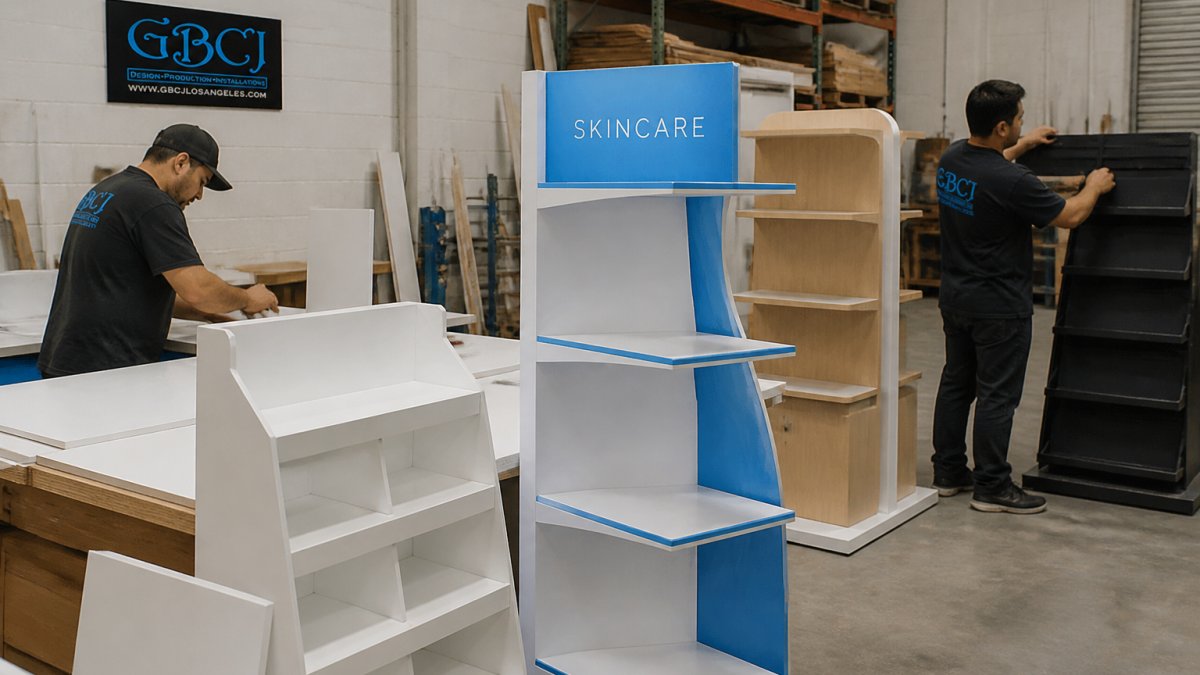
 ultimate-guide
Custom Retail Display Fabrication Trends 2026
Last Updated: October 22, 2026
Quick Summary
Custom retail display fabrication is reshaping how brands present products and engage shoppers by serving as a direct extension of brand identity and customer experience. In 2026, retailers are shifting away from off-the-shelf solutions toward displays that adapt to their spaces, support experiential retail, and balance visual impact with sustainability.
- Acrylic has become the dominant material for custom retail display fabrication because it balances cost, durability, and visual appeal while allowing complex shapes and seamless LED integration.
- Effective custom store fixtures create visual hierarchy, incorporate interactive elements, and are proportioned to human scale to encourage customer engagement and dwell time.
- Measure display performance using baseline data, dwell time observation, engagement signals, conversion rates by zone, and sales per square foot to determine ROI.
- Regional fabrication partners with industry experience, transparent communication, and local knowledge of building codes and permitting deliver better outcomes than generalists.
Table of Contents
- What's Driving Custom Retail Display Fabrication in 2026
- Retail Display Materials: Glass, Acrylic, Fabric, and Metal
- Acrylic Retail Displays: Why They're Dominating Store Layouts
- Custom Store Fixtures That Drive Shopper Engagement
- The Custom Retail Display Fabrication Process: Timeline and Expectations
- Measuring Display Performance: From Dwell Time to Conversion
- Choosing the Right Fabrication Partner for Your Retail Environment
- Frequently Asked Questions
What's Driving Custom Retail Display Fabrication in 2026
Custom retail display fabrication is reshaping how brands present products and engage shoppers. At GBCJ Los Angeles, we have observed a fundamental shift in how retailers think about their environments.
The shift isn't just aesthetic. The physical display is now a direct extension of brand identity and customer experience, a strategic tool for driving engagement, managing traffic flow, and increasing conversion. Off-the-shelf solutions no longer cut it where differentiation matters.
Several forces are converging: retailers want displays that adapt to their spaces and brand narratives, experiential retail makes static displays feel outdated, and sustainability concerns push fabricators to balance visual impact with environmental responsibility.
Retail Display Materials: Glass, Acrylic, Fabric, and Metal
The material you choose for custom retail display fabrication determines durability, aesthetics, and maintenance burden. Each carries distinct advantages and limitations.
Glass remains the premium choice for high-value merchandise, offering optical clarity and a sophisticated appearance that signals quality. It works exceptionally well for jewelry, eyewear, and collectibles. The drawbacks are fragility and weight, which complicate installation and raise shipping costs, plus regular cleaning.
Acrylic has become the workhorse material for custom retail displays because it balances cost, durability, and visual appeal. It provides clarity comparable to glass at a fraction of the weight and cost, is impact-resistant, and is easier to fabricate into complex shapes.
Fabric displays are gaining traction in visual merchandising, allowing bold color, texture variation, and easy seasonal updates, ideal for apparel, soft goods, and environments where warmth matters more than pristine clarity.
Metal fixtures, aluminum, steel, and brass, provide structural integrity and a contemporary aesthetic, ideal for heavy merchandise, modular systems, and industrial or minimalist design. The challenge: metal can feel cold or utilitarian if not paired thoughtfully with other materials.
Most effective displays combine materials strategically. A glass front with metal framing and fabric backing, for instance, delivers visual clarity, structural support, and brand-aligned aesthetics in a single fixture.
Acrylic Retail Displays: Why They're Dominating Store Layouts
Acrylic retail displays have become the default choice for custom retail display fabrication across categories, for practical and economic reasons.
Acrylic's versatility is unmatched. Fabricators can cut, shape, and form it into virtually any geometry, curved edges, angled shelves, multi-level configurations, integrated lighting channels, so custom store fixtures can be tailored precisely to a space, product line, or brand aesthetic.
Cost efficiency is another driver. Acrylic costs substantially less than glass, and fabrication labor is lower because it machines faster. For retailers on tight budgets or planning multiple displays, acrylic delivers professional appearance at accessible price points, allowing more displays or more sophisticated designs rather than fewer, simpler fixtures.
Durability matters in high-traffic retail. Acrylic resists impact far better than glass, a dropped item won't shatter it, meaning lower replacement costs and less downtime. It also tolerates temperature and humidity fluctuations, suiting settings from climate-controlled boutiques to semi-open-air shopping centers.
Illumination integration is seamless with acrylic. Backlighting, edge lighting, and embedded LED systems can be engineered directly into acrylic fabrication, and its translucency diffuses light evenly, creating visual impact without harsh shadows or dead zones. Illuminated Signs are particularly effective when integrated into acrylic displays, allowing retailers to highlight featured products and create dynamic visual interest that captures shopper attention.
Custom Store Fixtures That Drive Shopper Engagement
The most effective custom store fixtures aren't just containers for products, they're active participants in the customer experience, guiding attention, facilitating discovery, and communicating brand values.
Engagement-focused fixtures share several characteristics.
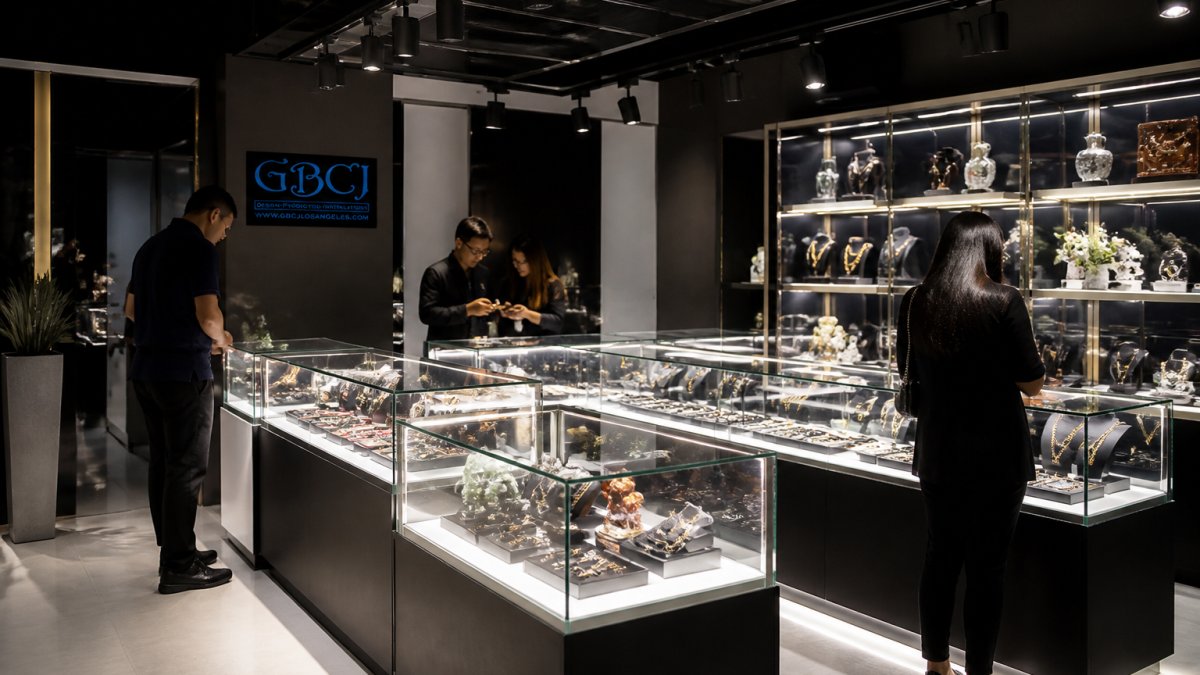
Modular custom retail display fabrication systems are gaining traction because they let retailers reconfigure layouts as seasons or inventory shift. A fixture that accommodates different shelf depths, lighting configurations, or material inserts stays relevant longer and justifies a higher initial investment.
Dwell time, how long customers spend examining a display, is a measurable outcome of good fixture design. Displays that encourage lingering feature clear sightlines, adequate lighting, and accessible product information.
Accessibility is increasingly important. Fixtures should accommodate customers of varying heights and mobility levels; shelving at multiple heights, adequate spacing, and clear pathways all contribute to inclusive design that expands the potential customer base.
The Custom Retail Display Fabrication Process: Timeline and Expectations
Most custom retail display projects follow a predictable arc, but schedule and cost hinge on a handful of decision points retailers should understand before signing a purchase order.
1. Discovery and site survey (1-2 weeks). The fabricator measures walls, floors, and ceiling heights, checks power locations and load-bearing capacity, and documents circulation and sightlines.
2. Concept and design development (2-4 weeks). The shop produces sketches, then CAD drawings, material callouts, and a lighting plan; expect at least two revision rounds.
**3.
4. Production (3-8 weeks, depending on material and quantity). Acrylic and wood machine quickly; powder-coated steel, glass, and custom lighting add lead time.
5. Finishing, quality control, and crating (3-7 days). Edges are polished, surfaces cleaned, lighting tested, and fixtures crated for transport.
6. Delivery and installation (1 day to 2 weeks). Simple freestanding fixtures install in hours; built-in millwork, electrical connections, and multi-fixture rollouts take longer and may require after-hours work.
Schedule risks to plan around: landlord approval of drawings, long-lead materials, electrical rough-in, freight damage and replacement, and store-calendar blackout dates (holiday resets, inventory, remodels).
Budget drivers in brief. Cost scales with size and complexity, material (glass and metal generally cost more than acrylic and wood), finish, lighting integration, quantity (per-unit cost drops with volume but tooling and setup are fixed), and installation scope. Request quotes that break out materials, labor, lighting, freight, and installation so you can compare bids on equal terms.
Measuring Display Performance: From Dwell Time to Conversion
Most display projects are judged on appearance at install and never measured again, a missed opportunity, because a simple before-and-after framework tells you whether a fixture earned its cost and guides where to invest next.
Establish a baseline first. Before the new display goes in, record two to four weeks of the metrics you intend to track. Without a baseline, post-install numbers are anecdotes. If the display replaces an existing fixture, measure the old one; if it's new, measure the surrounding zone and the store overall.
Dwell time. Observe or use existing video analytics to estimate how long shoppers spend in front of the display.
Engagement signals. Count product handling, pick-ups, and staff inquiries tied to the display; interactive or digital elements usually report interaction counts natively. These signals are cheap to collect and often reveal problems, merchandise placed too high to reach, or signage that discourages touching.
Conversion rate by zone. Link point-of-sale data to display location where your POS allows it (many systems support item-to-location or associate-attribution reporting). Compare units sold per shopper passing the display before and after installation.
Sales per square foot. Divide revenue attributable to the display's product set by the floor area the fixture occupies, including circulation space it commands.
Traffic and pathing. Heat maps or manual counts show whether shoppers are drawn to the display or bypass it. If a fixture isn't being seen, the problem is placement or sightlines, not the fixture itself, a cheaper fix than rebuilding.
A simple test-and-learn loop. Run the display for four to six weeks, compare against baseline, then adjust one variable at a time, lighting, signage, product mix, or height, and measure again. Document what changed. Over a few cycles this produces a playbook specific to your store and customers, more valuable than any generic benchmark.
What to do with the results. Displays that beat baseline on dwell and conversion are candidates for replication or expansion; those that underperform on dwell usually have a visibility or accessibility problem; those that draw dwell but not conversion often have a pricing, assortment, or signage issue. Treat measurement as a design input, not a report card.
Choosing the Right Fabrication Partner for Your Retail Environment
Selecting a fabrication partner shapes the entire outcome of your custom retail display project. The right partner brings technical expertise, creative problem-solving, and commitment to understanding your retail environment and brand goals.
Experience matters. Fabricators who have worked across diverse retail categories understand nuances generalists miss: which materials perform best in specific conditions, how to optimize lighting for different product types, and how to navigate permitting and installation logistics.
Communication style is equally important. The best partners listen closely, ask clarifying questions, and translate vague ideas into concrete designs. They're transparent about timelines, budget implications, and potential challenges, and address issues promptly rather than letting problems compound.
Look for partners who understand your retail market and local context.
Portfolio review is essential. Look for examples of Custom Business Signs and specialized applications like Lobby Signs that demonstrate versatility across different retail environments and applications.
Budget transparency is non-negotiable. A reliable partner provides detailed quotes, explains cost drivers, and discusses trade-offs when constraints exist, no hidden fees or scope creep, just maximum impact within your parameters.
At GBCJ Los Angeles, we approach every custom retail display fabrication project with a customer-centric philosophy.
Frequently Asked Questions
What materials are best for custom retail displays in high-traffic stores?
Glass, acrylic, metal, and fabric each serve different purposes. Glass conveys premium quality for jewelry or luxury goods. Acrylic retail displays offer durability and cost efficiency for mid-range merchandise. Metal fixtures provide industrial aesthetics and strength for heavy items. Fabric works for apparel and soft goods. Choose based on your product type, budget, and brand aesthetic. A fabrication partner can recommend materials that balance durability, visual impact, and maintenance requirements for your specific retail environment.
How long does custom retail display fabrication typically take?
The timeline for custom retail display fabrication projects varies depending on complexity and material availability. Your fabricator should provide a detailed timeline upfront and account for permit approvals if required. Building in extra time for revisions ensures you're not rushed and your final display meets your brand standards.
What should I include in a retail display design brief?
Provide your fabricator with product dimensions and weight, target customer profile, store layout and available space, brand color palette and aesthetic, lighting preferences (backlighting, spotlights, ambient), and your budget range. Include photos of your store and any competitor displays you admire. Specify whether you need interactive features, durability requirements, or accessibility compliance. The more detail you share about your retail environment and sales goals, the better your fabricator can recommend materials and design solutions that drive actual results.
Are acrylic retail displays durable enough for everyday retail use?
Yes. Acrylic retail displays are engineered for high-traffic retail environments and resist scratching, impact, and discoloration better than glass when properly maintained. They're lighter than glass, easier to install, and less likely to shatter. They do require gentle care to avoid scratches, but minor marks can often be polished out. For jewelry, eyewear, or collectibles displays, acrylic offers clarity and durability that justify its popularity in modern retail stores.
Choosing the right custom retail display fabrication partner determines whether your investment delivers real results. The retail environment is your brand's physical voice, it should reflect your values, engage your customers, and drive measurable outcomes. GBCJ Los Angeles specializes in creating custom displays that accomplish all three. Contact us to discuss your retail environment and explore how strategic display design can strengthen your brand presence and customer experience.