 blog
blog
Custom Sign Design for Retail: A Complete Guide
Table of Contents
- Why Custom Sign Design Matters for Retail Success
- Types of Retail Signage and Custom Fabrication Options
- Retail Signage Permit Requirements and Compliance
- Best Practices for Retail Window Graphics
- Understanding Custom Storefront Sign Cost and ROI
- The Custom Sign Design Process: From Concept to Installation
- Sustainability and Eco-Friendly Signage Materials
- Frequently Asked Questions
Last Updated: October 1, 2026
Why Custom Sign Design Matters for Retail Success
Your storefront is your first impression. A well-designed custom sign design retail solution communicates your brand's personality, attracts foot traffic, and drives stronger brand recall and higher conversion rates from passersby.
At GBCJ Los Angeles, we've spent over 15 years helping retail businesses transform their storefronts into visual assets that increase visibility and customer engagement.
Types of Retail Signage and Custom Fabrication Options
Retail signage comes in many forms, each serving a different purpose in your overall visual communication strategy. Understanding your options helps you make decisions that align with your brand and budget.
Storefront Signs and Channel Letters
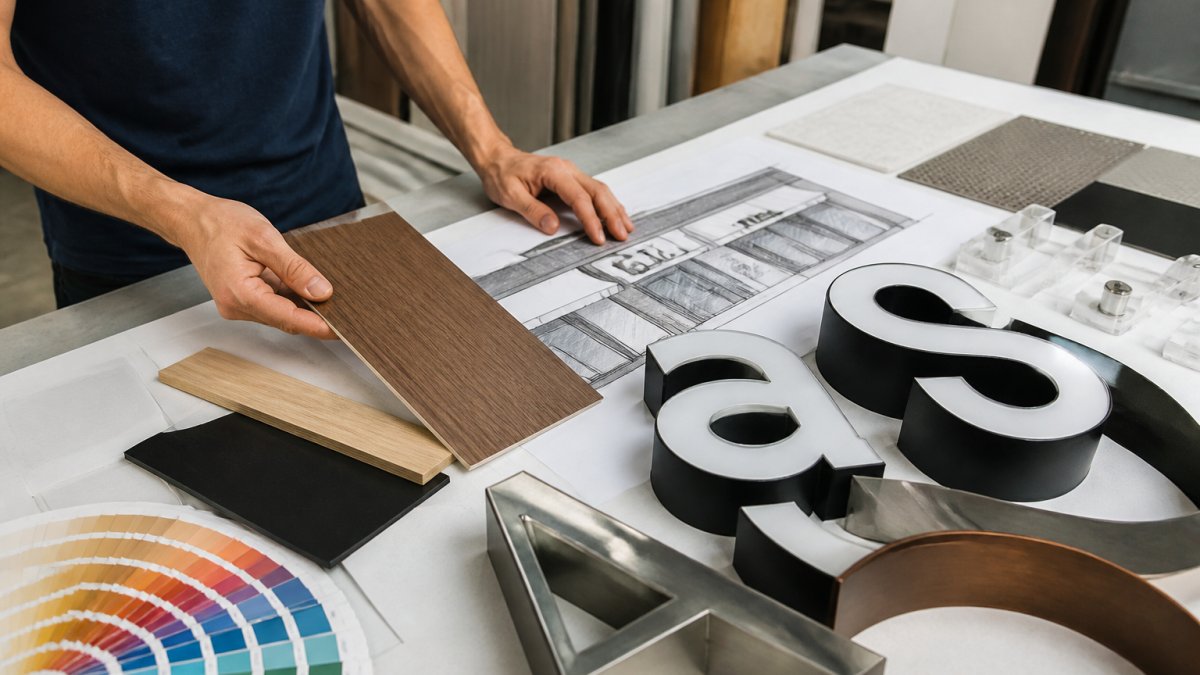
Channel letters are the gold standard for retail storefronts. These three-dimensional letters are individually fabricated and mounted to your building facade. They catch light, cast shadows, and create depth that flat signs simply cannot match.
Channel letters are durable, weather-resistant, and customizable in material, color, lighting, and finish.
Storefront signs extend beyond channel letters to include monument signs, wall-mounted panels, and entrance markers. Monument signs provide ground-level visibility, while wall-mounted options maximize vertical space.
LED Displays and Electrical Signs
LED displays bring dynamic content to your storefront, letting you update messaging in real time for seasonal promotions, new products, and announcements. Modern LED technology is energy-efficient compared to older neon systems, reducing operating costs while maintaining visual impact.
Window Graphics and Dimensional Lettering
Window graphics and dimensional lettering transform display windows into branded messaging spaces. Custom vinyl decals, printed graphics, and raised letters create visual hierarchy and can be updated seasonally or for campaigns. They're cost-effective compared to full storefront renovations.
Retail Signage Permit Requirements and Compliance
Permitting is non-negotiable. Skipping this step risks fines, forced removal, or legal complications. Most retailers don't understand what permits apply or how long approval takes.
Local Zoning and Sign Code Basics
Sign regulations are governed by municipal code and zoning ordinances. Key restrictions include maximum sign area (typically 1-2 square feet per linear foot of building frontage), height limitations, illumination rules (brightness limits, operating hours), material standards, and projecting sign clearance. Zoning classification matters enormously, commercial corridors, mixed-use districts, and downtown areas have different rules. Corner lots, street-facing facades, and proximity to residential areas all influence what's permitted.
Permit Application and Timeline
The typical permit process involves pre-application review, formal application with architectural drawings and electrical plans, and an approval or revision cycle. The total timeline depends on complexity. Application fees vary.
Common Compliance Pitfalls
Retailers often encounter these issues:
- Underestimating sign area: Designers measure the letter height but forget that sign area includes the bounding box around all letters. A 4-foot-tall channel letter sign can easily exceed 40 square feet when measured correctly.
- Electrical code violations: LED and neon signs require licensed electrician installation and inspection. DIY or unlicensed installation voids permits and creates liability.
- Landlord approval gaps: Even if your design passes municipal code, your lease may restrict signage type, size, or placement. Confirm landlord written approval before applying for permits.
- Temporary vs. permanent classification: Banners, A-frame signs, and promotional graphics may require different permits than permanent signage. Using a temporary sign as permanent can trigger code enforcement action.
Working with a Permit-Experienced Provider
Professional sign companies handle permit applications as part of their service. They know which documents are required, which departments to contact, typical approval timelines, and common revision requests. This expertise saves you 4-8 weeks of back-and-forth and prevents costly redesigns after installation.
When selecting a sign provider, confirm they have recent experience with permits in your specific jurisdiction. Codes and staff preferences vary, and a provider familiar with your planning department's standards will navigate approval faster.
Best Practices for Retail Window Graphics
Your window is prime real estate for visual communication. It's where passersby form their first impression of your brand.
Effective window graphics follow a few core principles. First, keep the message simple. Cluttered windows confuse potential customers. A clear headline, supporting visual, and call-to-action work better than cramming multiple messages into one space.
Second, use high-contrast colors and readable fonts. Window graphics compete with outdoor lighting, reflections, and moving backgrounds. What looks good on a computer screen might be illegible from the street. Test your design from a distance before finalizing it.
Third, update your graphics regularly. Faded, outdated window displays signal neglect. Fresh graphics, even if it's just seasonal updates, show that your business is active and current.
Fourth, align your graphics with your overall brand identity. Your window should feel like an extension of your storefront sign, your interior design, and your marketing materials. Consistency builds brand recognition.
Understanding Custom Storefront Sign Cost and ROI
Pricing for custom sign design solutions depends on several factors: materials, size, complexity, lighting, and installation requirements. But cost alone is a misleading metric. What matters is return on investment, how quickly the sign pays for itself through increased visibility and sales.
Sign Type and Typical Investment Range
Different sign types serve different budgets and goals:
- Channel letters (non-illuminated): $2,000-$8,000 for a typical retail storefront name. Illuminated versions add $1,500-$4,000 for electrical work and lighting components.
- Monument signs (ground-level): $3,000-$15,000 depending on height, materials, and foundation requirements.
- LED displays (digital messaging): $5,000-$25,000+ for programmable screens, plus $200-$500 annually for electricity and maintenance.
- Window graphics and vinyl decals: $500-$3,000 for custom design and installation on a typical retail window.
- 3D dimensional lettering: $1,500-$6,000 depending on material (foam, metal, acrylic) and finish.
These ranges reflect materials, fabrication labor, and installation. Permitting, electrical work, and structural engineering add to the total. A professional quote breaks down each component so you understand where your investment goes.
ROI Mechanisms: How Signage Drives Revenue
A well-designed sign generates return through three measurable channels:
1. Foot traffic increase: Visibility directly correlates with store visits. Retailers report that upgrading from a generic or faded sign to a professional custom design increases foot traffic by 10-30%, depending on location visibility and competitive context. A retail location on a busy street with high vehicle and pedestrian volume sees faster ROI than a side-street location.
2. Brand recall and conversion: A distinctive sign makes your business memorable. Customers who see your sign multiple times are more likely to enter when they need your product or service.
Payback Period by Sign Type
Payback period, how long until the sign generates enough additional revenue to cover its cost, varies by business type and location.
Long-Term Cost of Ownership
Initial investment is only part of the picture. A quality sign built with weather-resistant materials can have a long lifespan. A cheaper alternative might need replacement sooner.
Evaluating ROI for Your Business
To estimate payback for your specific situation, consider:
- Current monthly revenue: Higher-revenue businesses reach payback faster.
- Location visibility: Foot traffic volume, vehicle speed, and sightline distance all affect how many people see your sign daily.
- Competitive context: In saturated markets, a distinctive sign has higher ROI because it helps you stand out.
- Customer acquisition cost:
A professional sign provider can help you model ROI based on your specific business metrics. For current pricing and a customized quote based on your storefront and goals, contact us. A detailed estimate breaks down materials, fabrication, installation, and any permitting assistance included in your project, giving you the full picture to evaluate investment.
The Custom Sign Design Process: From Concept to Installation
Professional custom sign design follows a structured process that ensures the final result meets your expectations and complies with all regulations.
Site Survey and Brand Strategy
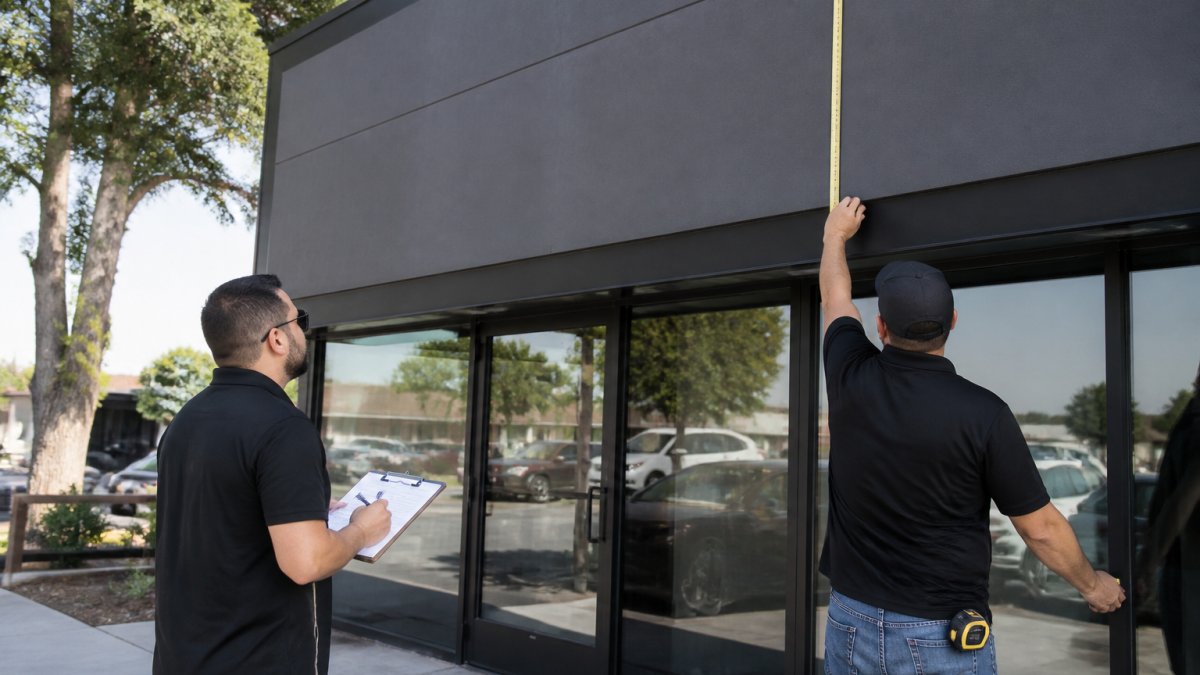
The process begins with a site survey. A professional team visits your location, measures your storefront, photographs the building facade, and assesses lighting conditions, sightlines, and surrounding context. This real-world assessment informs every design decision that follows.
Graphic Design and Project Management
Once the site assessment is complete, the design phase begins. A graphic designer creates mockups showing how your sign will look on your actual storefront. This visualization is critical, you see the design in context before fabrication begins.
Sign Installation and Maintenance Lifecycle
Installation is where design becomes reality. A qualified installation team handles all structural and electrical work, ensuring your sign is secure, properly lit, and compliant with safety codes.
Sustainability and Eco-Friendly Signage Materials
More retailers are considering environmental impact when choosing signage materials. LED lighting uses significantly less energy than older technologies. Recyclable materials reduce waste. Sustainable practices appeal to environmentally conscious customers.
Frequently Asked Questions
What permits are required for retail signage?
Most jurisdictions require sign permits before installation. Requirements typically include size restrictions, setback distances, lighting specifications, and ADA compliance. The application process involves submitting detailed plans and site surveys. Permit timelines vary. Working with an experienced sign provider who handles permit acquisition streamlines the process and ensures compliance with local zoning codes and building regulations.
How much does custom storefront sign cost?
Custom storefront sign cost depends on materials, size, complexity, and whether electrical or LED components are included. Channel letters typically cost more than flat-cut signs. Large-format printing services and 3D dimensional lettering add to the investment. Rather than a fixed price, most providers offer quotes based on your specific design and installation needs. Contact a local provider for accurate pricing tailored to your project scope and timeline.
What are the best practices for retail window graphics?
Effective retail window graphics balance visual appeal with clarity. Use high-contrast colors and legible fonts readable from the street. Keep messaging concise and focused on your strongest brand identity message. Position graphics to avoid blocking sightlines into the store. Ensure weather-resistant materials and professional installation for longevity. Update graphics seasonally to maintain customer interest and signal an active, current business. Test designs from multiple distances before final production.
How long does custom sign design and installation take?
The timeline from concept to installation depends on permit approval, design complexity, and fabrication schedules. Initial design and approval, permit acquisition, fabrication, and installation all contribute to the overall timeline. Expedited timelines are possible for simpler projects, but rushing through design or skipping proper permitting creates costly problems later. Plan ahead if you have a specific opening date.
The right custom sign design retail solution elevates your storefront and drives measurable results. GBCJ Los Angeles brings 15 years of experience, customer-focused collaboration, and creative expertise to every project. We handle everything from initial site assessment through installation and maintenance, ensuring your sign reinforces your brand identity and maximizes visibility. Contact GBCJ Los Angeles today to discuss how a professionally designed sign can transform your retail presence.