 blog
blog
Is Commercial Van Wrap Pricing Worth the Investment?
Table of Contents
- Understanding Commercial Van Wrap Pricing
- Commercial Van Wrap Cost Breakdown
- Commercial Vehicle Wrap ROI
- How Long Does a Van Wrap Last
- Vehicle Wrap Maintenance and Care
- Full Wraps Versus Partial Wraps and Decals
- Is a Commercial Van Wrap Right for Your Business
- Conclusion
- Frequently Asked Questions
Last Updated: October 10, 2026
Understanding Commercial Van Wrap Pricing
Commercial van wrap pricing depends on several interconnected factors. Understanding each helps you evaluate whether the investment makes sense for your business.
Commercial van wrap pricing combines design complexity, material quality, vehicle size and shape, professional installation expertise, and expected lifespan. Each component affects total investment and ROI.
Full wraps cost more but deliver maximum visibility. Partial wraps and decals cost less but reach fewer people. Choose based on budget, vehicle visibility, and marketing role.
Commercial Van Wrap Cost Breakdown
Understanding what you're actually paying for helps you evaluate quotes and make an informed decision. The total cost of a commercial van wrap breaks down into three main components: design and customization, material and print quality, and professional installation and labor.
Design and Customization
Your design is the foundation of wrap effectiveness. Custom design requires time, skill, and creative thinking, it's more than slapping a logo onto vinyl.
A professional designer considers how graphics appear at different distances, in various lighting, and integrated with the vehicle's shape. They ensure compliance with local regulations and highway-speed legibility.
Design costs vary by complexity. Simple one-color designs cost less than multi-layered graphics with photography. Finished artwork reduces costs; starting from scratch requires more investment.
Material Quality and Print Quality
Commercial-grade vinyl resists UV damage, weather, and wear better than cheaper alternatives. High-quality vinyl maintains color vibrancy and adhesion through sun exposure, rain, and temperature swings.
High-resolution prints on quality vinyl look professional and command attention. Low-resolution prints on cheap vinyl look faded and undermine your brand message.
Better vinyl and printing extend wrap lifespan and value. The cheapest option often becomes the most expensive long-term choice.
Professional Installation and Labor
Professional installers have the tools, experience, and knowledge to stretch vinyl correctly, avoid bubbles and wrinkles, handle complex curves, and ensure proper adhesion.
Poor installation ruins high-quality materials. Professional installation includes thorough cleaning, old graphic removal, and surface prep to ensure proper vinyl adhesion.
Installation labor is significant and critical. Cutting corners leads to premature failure and costly repairs.
Commercial Vehicle Wrap ROI
A wrap's value depends on whether visibility translates into business results. The connection between a wrapped vehicle and customer acquisition isn't always obvious.
Calculating Return on Investment
Vehicle wrap ROI is harder to measure than digital advertising. A wrapped van lacks built-in analytics to track who noticed it or became customers.
Estimate ROI by calculating daily viewers, viewing frequency, and average customer value. Service businesses with high-value customers break even quickly; retail businesses with lower transaction values take longer.
Here's a practical framework: estimate how many people see your vehicle daily. A van that drives through busy areas or parks at job sites might be seen by hundreds or thousands of people each day. Multiply that by the number of days you'll use the wrap.
This isn't precise, but it gives you a ballpark sense of whether the math works. If you're a plumber with a service van parked outside homes all day and each customer is worth several hundred dollars, a wrap pays for itself quickly.
Comparing Wraps to Other Advertising Methods
Vehicle wraps compete with other advertising channels for your marketing budget. Digital ads, local signage, direct mail, and traditional media all demand attention and resources.
A wrapped vehicle offers continuous visibility at a one-time cost. Once installed, it works 24/7 without monthly fees or recurring costs. Digital ads require ongoing spending to maintain visibility.
However, vehicle wraps lack the targeting precision of digital advertising. You can't choose your audience; you reach whoever sees your vehicle. Digital ads let you target by location, demographics, interests, and behavior. For businesses with very specific customer profiles, digital advertising might deliver better ROI per dollar spent.
The best approach often combines both. A wrapped vehicle provides constant, broad visibility in your local market. Digital ads complement that by reaching prospects actively searching for your services online. Together, they reinforce your brand message across multiple touchpoints.
How Long Does a Van Wrap Last
The lifespan of a commercial van wrap is one of the most important factors in determining whether the investment pays off. A wrap that lasts three years delivers better ROI than one that deteriorates in twelve months.
Factors Affecting Wrap Lifespan
High-quality vinyl and professional installation typically result in a wrap that lasts between three to five years. Some wraps last longer, especially if the vehicle is garaged and not exposed to constant sun and weather.
Climate and weather play major roles. Vehicles in sunny climates experience more UV damage, which fades colors and degrades the vinyl. Extreme heat accelerates deterioration. Cold climates are gentler on wraps, but freeze-thaw cycles and road salt can cause adhesion problems.
How often the vehicle is used matters too. A vehicle that sits in a garage most of the time will preserve the wrap better than one driven daily through harsh conditions.
The quality of the initial installation affects longevity as well. Poorly installed wraps with bubbles, wrinkles, or inadequate adhesion fail prematurely. Professional installation that includes proper surface preparation and correct application techniques extends the wrap's life significantly.
Vehicle Wrap Maintenance and Care
Proper maintenance extends the life of your wrap and keeps it looking professional. The good news is that maintenance is straightforward and doesn't require specialized equipment.
Cleaning and Protection Best Practices
Wash your wrapped vehicle regularly with mild soap and water. Use a soft cloth or sponge to avoid scratching the vinyl. Avoid high-pressure washers, which can force water under the vinyl edges and cause peeling. Don't use abrasive cleaners or harsh chemicals, which can damage the vinyl surface.
Park in a garage or shaded area when possible, especially during peak sun hours. This reduces UV exposure and helps preserve color vibrancy. If garaged storage isn't available, a car cover provides protection from sun, rain, and debris.
Inspect your wrap monthly for signs of peeling, bubbling, or damage. Small issues caught early are easier and cheaper to fix than large areas of deterioration. Address any damage promptly to prevent water from seeping under the vinyl.
Warranty and Wrap Removal
Most professional wrap installations come with a warranty covering defects in materials and workmanship. The warranty period typically ranges from one to three years, depending on the installer and the quality of materials used. Understand what your warranty covers before installation.
When it's time to remove the wrap, professional removal is important. Improper removal can damage the vehicle's paint. A professional removes the vinyl carefully, often using heat to soften the adhesive and prevent paint damage. GBCJ Los Angeles handles removal as part of our service process, ensuring your vehicle is protected throughout.
Full Wraps Versus Partial Wraps and Decals
Your choice between a full wrap, partial wrap, or decals affects both cost and visibility. Understanding the trade-offs helps you make the right decision for your business.
A full wrap covers most of the vehicle's visible surfaces, including doors, panels, hood, and rear. It delivers maximum brand visibility and creates a cohesive, professional appearance.
A partial wrap covers specific areas like the sides and rear of the vehicle. It costs less than a full wrap while still providing significant visibility.
Decals are individual graphic elements applied to the vehicle. They're the most affordable option and work well for adding logos or contact information to an existing vehicle.
The choice depends on your budget, your vehicle's role in your marketing strategy, and how much visibility you need. A delivery van that parks at customer locations benefits from a full wrap.
Is a Commercial Van Wrap Right for Your Business
Not every business benefits equally from a vehicle wrap. Understanding when wraps deliver strong value and when other solutions might be better helps you make the right investment decision.
When Wraps Deliver Strong Value
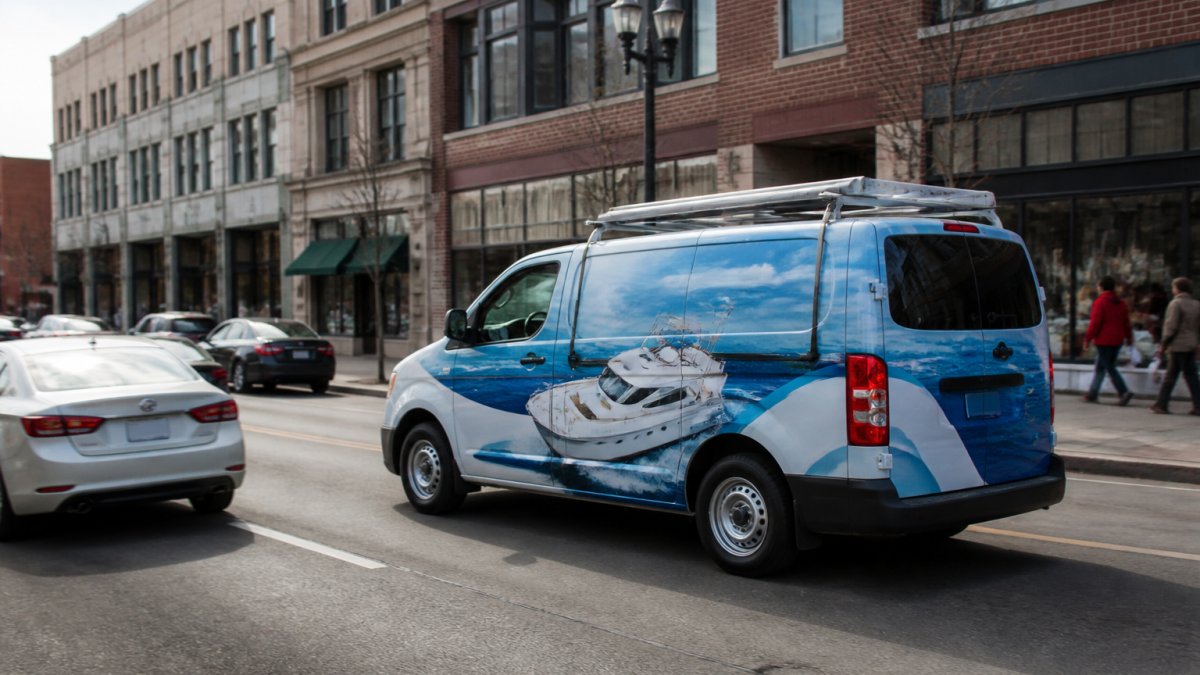
Vehicle wraps make the most sense for service businesses that operate from a vehicle. Plumbers, electricians, HVAC technicians, landscapers, and similar trades spend their days driving to customer locations. Their vehicles are mobile billboards, visible to hundreds or thousands of potential customers daily.
Wraps also work well for businesses with high customer lifetime value. If each customer is worth several hundred or thousands of dollars, the wrap pays for itself quickly through even a small percentage increase in customer acquisition.
Local businesses with a defined service area benefit from wraps because they reach prospects in their target market repeatedly. A wrapped vehicle parked outside job sites or driving through neighborhoods creates consistent brand exposure to the right audience.
Businesses that want long-term brand presence without ongoing monthly costs find wraps attractive. Once installed, a wrap works continuously without recurring advertising expenses.
When Other Solutions May Be Better
If your business model relies on digital channels or online customer acquisition, a wrap might not be your highest-priority investment.
Businesses with low customer transaction values or long sales cycles might find that the wrap's upfront cost takes too long to recover. A retail shop with average transactions under fifty dollars might struggle to justify a wrap's cost.
If your vehicle spends most of its time in a garage or parking lot, a wrap delivers limited visibility. The investment only makes sense if your vehicle is regularly visible to your target audience.
Seasonal businesses might question whether a year-round wrap investment makes sense if they operate for only part of the year. However, even seasonal businesses can benefit if they operate during peak visibility periods.
Conclusion
Commercial van wrap pricing reflects the quality of materials, design expertise, and professional installation required to create an effective mobile advertising asset. Whether the investment is worth it depends on your business model, your vehicle's visibility, and your customer acquisition costs.
At GBCJ Los Angeles, our team brings over 15 years of experience creating vehicle graphics that capture attention, reflect your brand identity, and maximize your visibility. We handle everything from initial design consultation through professional installation, ensuring your wrapped vehicle represents your business at its best. Contact us for a consultation and a transparent quote tailored to your specific needs.
Frequently Asked Questions
How much does a commercial van wrap cost?
Commercial van wrap cost depends on vehicle size, wrap type (full or partial), design complexity, and material quality. Pricing typically factors in design fees, vinyl materials, print quality, and professional installation labor. Exact pricing varies based on your specific vehicle and project scope. Contact GBCJ Los Angeles for a detailed quote tailored to your commercial vehicle and branding needs.
Is a commercial vehicle wrap worth it for a small business?
Commercial vehicle wrap ROI depends on your business type, service area, and daily vehicle exposure. Wraps offer continuous mobile advertising that reaches local audiences without recurring monthly costs like traditional ads. Small service businesses with high daily mileage often see strong returns. However, vehicles parked in lots or used sporadically may generate fewer impressions. Calculate your potential customer impressions and lead generation to determine if the investment aligns with your marketing goals.
How long does a van wrap last?
A well-maintained van wrap typically lasts several years. Durability depends on vinyl film quality, climate exposure, sun intensity, and how often the vehicle is washed. Professional installation and regular maintenance extend lifespan significantly. Harsh conditions or neglect can reduce longevity. Quality materials and proper care ensure your commercial vehicle wrap maintains brand visibility and appearance throughout its intended service life.
What maintenance does a vehicle wrap require?
Vehicle wrap maintenance is straightforward: hand wash with mild soap and water, avoid high-pressure washers, and skip automated car washes that can damage edges. Protect your wrap from extreme sun exposure when possible, and address any peeling edges immediately to prevent further damage. Regular cleaning keeps graphics vibrant and extends wrap lifespan.